Location : Home >> TV Series >> Those Who Fall in Love

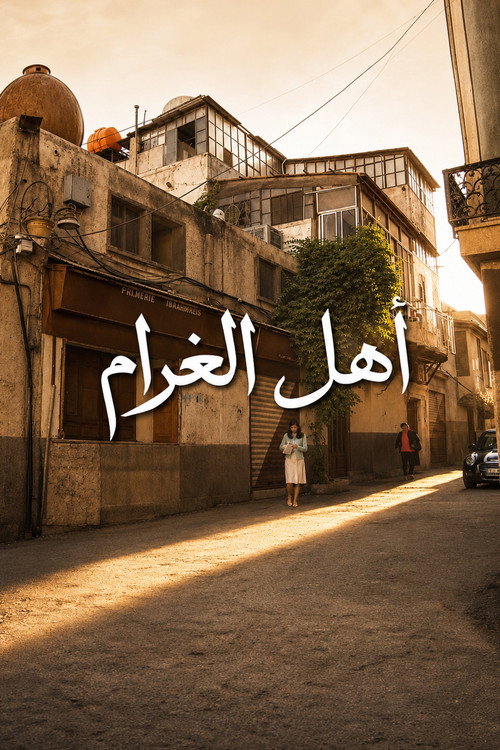
Those Who Fall in Love (2006)

TV Series
This Syrian romantic drama anthology explores the complexities of love through a collection of deeply personal stories. Each story follows people whose hopes for happiness are challenged by family expectations, social pressures, financial struggles, religious differences, and the unpredictable nature of relationships. From passionate romances to heartbreaking separations, the series captures the emotional struggles of ordinary people caught between their hearts and the realities of life.

Cast

Show all cast

Seasons

Season 1

This Syrian romantic drama anthology explores the complexities of love through a collection of deeply personal stories. Each story follows people whose hopes for happiness are challenged by family expectations, social pressures, financial struggles, religious differences, and the unpredictable nature of relationships. From passionate romances to heartbreaking separations, the series captures the emotional struggles of ordinary people caught between their hearts and the realities of life.

E1 All the Poems
Tayf and Zeina share a passionate romance, but financial struggles threaten their hopes of building a life together. The episode takes its title from "Kel El Qasayed" (2004), performed by Lebanese singer Marwan Khoury.
E2 Distinguished Silver Fox
Leila finds herself falling for Dr. Jalal, a much older married man, forcing her to confront the consequences of following her heart. The episode takes its title from the song "Adaysh Helwi Hal Shaybe," performed by Lebanese singer Wadih El Safi.
E3 I Want to See You Every Day
Feeling neglected by his wife, Raef grows increasingly attached to Amal, the housekeeper who has become a caring presence in his life and his daughter's. The episode takes its title from "Baddi Shoufak Kel Yom," a song popularized by Lebanese singer Mohamed Jamal in the 1970s.
E4 Walking on Thorns
Psychiatrist Dina falls in love with Jawad, but their plans for marriage face an unexpected obstacle when his family background comes into question. The episode takes its title from the opening lyrics of "Ahdan El Habayeb," performed by Abdel Halim Hafez in the 1969 film My Father Is Up the Tree.
E5 The New Year
Although deeply attached to his girlfriend Bana, Tim finds himself drawn to Yasmin, leaving him torn between an established relationship and unexpected feelings. The episode takes its title from "Al Aam Al Jadeed" (2004), a duet performed by Fadel Shaker and Sherine Abdel Wahab.
E6 Dreaming of You
After three years together, Safi and Atika face an unexpected challenge when her brother Mahjoub returns and interferes in their relationship. The episode takes its title from "Bahlam Beek," performed by Abdel Halim Hafez in the 1959 film A Love Story.
E7 I'm Dreaming
Lana struggles with her controlling mother's influence while pursuing a relationship with Mayar, who begins to recognize troubling similarities between mother and daughter. The episode takes its title from "Ana Am Bahlam" (1986), performed by Majida El Roumi on her album Ya Saken Afkari.
E8 If It Were Up to Me
Adam falls for Sham, a teacher of deaf children, but meeting her family challenges his expectations about their future together. The episode takes its title from "Law Ala Albi" (2004), performed by Fadel Shaker.
E9 So What?
Determined to pursue her doctorate, Ghazal accepts help from a well-connected acquaintance, unaware of the complications his influence could bring into her life. The episode takes its title from "We Maloh" (2005), performed by Amr Diab on his album Kammel Kalamak.
E10 Traveling Where?
Zaid dreams of studying art in Germany, but his determination to leave creates growing tension with his girlfriend Masa, who fears losing him. The episode takes its title from "Wein Msafer," performed by Julia Boutros and released on her 1997 album of the same name.
E11 O My Love
After ending her relationship with the unfaithful Ayham, Sulaf searches for a fresh start, only to discover that finding lasting love is harder than she expected. The episode's title likely references "Habibi Ya" (2004), performed by Carole Samaha on her album Ana Horra.
E12 Desert's Rose
Tour guide Alia develops feelings for Laith, but meeting Brian, a foreign visitor who offers the possibility of a different life abroad, complicates her romantic future. The episode's title may reference "Desert Rose" (1999), performed by Sting and Cheb Mami, although that connection has not been confirmed.
E13 O Virgin Mary
Despite their different religious backgrounds, Fadi and Leen grow up in closely connected families. When their friendship turns romantic, family expectations threaten to keep them apart. The episode takes its title from the Marian hymn "Ya Maryam Al-Bikr," performed by Fairuz and also sung in the episode by Dima Kandalaft with the Al Farah Choir.
E14 Eyes of the Heart
As financial hardship pushes Hadi and Rabab toward divorce, an old flame reenters Hadi's life, complicating an already troubled marriage. The episode takes its title from "Oyoun El Alb," a classic 1970s song performed by Najat Al Saghira.
E15 Happily Ever After
After years of marriage and the emotional strain of infertility, Hiba and Assi face difficult questions about love, sacrifice, and their future together. The episode takes its title from "Tabat W Nabat" (2005), a duet performed by Mahmoud El Esseily and Bushra.
E16 Go to Sleep Part 1
Talented young sculptor Aya receives an opportunity to collaborate with fellow artist Fares on an exhibition, opening a new chapter in her personal and professional life. The episode takes its title from "Yalla Tnam Rima," a lullaby performed by Fairuz in the 1967 film The Guard's Daughter.
E17 Go to Sleep Part 2
As Fares develops deeper feelings for Aya, her strong attachment to her mother presents an unexpected challenge to their growing relationship. Like the first part, this episode takes its title from "Yalla Tnam Rima," performed by Fairuz in the 1967 film The Guard's Daughter.
E18 Your Sweet Lies
Hoping to impress Hamsa, Riyad pretends to be a talented poet and secretly recruits his friend Sami to write romantic verses on his behalf. The episode takes its title from "Kezbak Helw," a song popularized in the 1990s by Syrian singer Mayada Bseliss.
E19 You Left Already?
When Maryam's family rejects Hashem's marriage proposal, the couple considers running away together. But Hashem's hesitation threatens their plans. The episode takes its title from "Meshet Khalas" (2005), performed by Wael Jassar on his album of the same name.
E20 The Sweetest Feeling
Jaber's love for Maya creates a rift with his father, forcing him to rebuild his life while struggling to keep their relationship intact. The episode takes its title from "Ajmal Ihssas" (2002), performed by Elissa on her album Aayshalak.
E21 I'm Waiting
Naghm's father refuses to approve her relationship with Nuh because of his financial circumstances, leaving Nuh to reconsider his future as another woman enters his life. The episode takes its title from "Ana Nater" (2005), performed by Kuwaiti singer Nabeel Shuail.
E22 You've Left Your Mark
Feeling neglected by her busy fiancé Malik, Kinda finds comfort in a new relationship with Wajd, but moving on proves more complicated than she imagined. The episode takes its title from "Ma'asser Fiyyi" (2005), performed by Fadel Shaker.
E23 I Love You So Much
Nada develops strong feelings for a young man she meets online, but their first face-to-face encounter puts their romantic expectations to the test. The episode takes its title from "Bhebbak Ana Ktir," performed by Wael Kfoury in the mid-2000s.
E24 In Your Dreams
Rami hopes to secure a scholarship and build a future with his girlfriend Ghada, but interference from Seema and Nadine threatens to derail his plans. The episode takes its title from "La Bi Ahlamak" (2004), performed by Julia Boutros on her album of the same name.
E25 Over a Day and a Night
Lara pursues a singing career to support her husband Hossam, but her growing success brings unexpected tensions into their marriage. The episode takes its title from "Fi Youm Wa Leila" (1978), performed by Warda Al-Jazairia, with lyrics by Hussein El Sayed and music by Mohamed Abdel Wahab.
E26 I Miss You, My Love
Saif falls for Saba, a young woman working at a local store, but circumstances beyond their control threaten their hopes of being together. The episode takes its title from the opening lyrics of "Waheshni" (2003), a duet performed by Cheb Jilani and Amira Youssef.
E27 Don't Doubt Me
Luna's overwhelming jealousy places an increasing strain on her marriage to Rafi, testing his patience and the trust between them. The episode takes its title from "La Tchekki Fiyi" (2006), performed by Melhem Zein.
E28 How Are You?
Years after political differences prevented their marriage, Irfan Bey unexpectedly reunites with his first love, Hayat, bringing long-buried feelings back to the surface. The season finale takes its title from "Kifak Inta" (1991), performed by Fairuz and written and composed by Ziad Rahbani.

Season 2

The second season continues its exploration of love and heartbreak with a new collection of independent stories inspired by real-life relationships and experiences shared by viewers. From troubled marriages and forbidden romances to unrequited love and difficult sacrifices, each episode examines the emotional challenges people face when their feelings collide with reality. Through deeply human situations and relatable characters, the season reveals how love can bring people together while circumstances threaten to tear them apart.

E1 Dressed in White
Just hours before their wedding, Naji and Khawla find themselves caught in a series of disagreements that threaten to derail the ceremony, leaving their families scrambling to bring the couple back together. The episode takes its title from "Talli Bil Abyad," a wedding song performed by Lebanese singer Majida El Roumi.
E2 Dressed in White 2
Just hours before their wedding, Naji and Khawla find themselves caught in a series of disagreements that threaten to derail the ceremony, leaving their families scrambling to bring the couple back together. The episode takes its title from "Talli Bil Abyad," a wedding song performed by Lebanese singer Majida El Roumi.
E3 Why, Violet?
Samar falls for Hazem, a successful businessman, believing she has finally found love. But her happiness is threatened when she discovers that his romantic interest may lie with someone much closer to home. The episode takes its title from "Leh Ya Banafsag" (1930), performed by Saleh Abdel Hai, with lyrics by Bayram Al-Tunisi and music by Riad Al-Sunbati.
E4 Winter Returns
Still struggling with her parents' separation, Julia finds it difficult to trust romantic relationships. When Hadi and Badr unexpectedly enter her life, she begins to question whether she can overcome her fears and open her heart to love. The episode takes its title from "Rej'et El Shatwiyeh" (1973), performed by Fairuz in the musical play Al Mahatta.
E5 We Grew Up Together
Waseem's marriage to Farah becomes increasingly strained by emotional distance and a lack of intimacy. As their relationship begins to unravel, both must confront their different expectations of love and marriage. The episode takes its title from "Sawa Rbina" (1968), performed by Fairuz in the musical play Al Shakhs.
E6 Still Charming 1
After her third divorce from Hisham, Nadia enters a marriage of convenience with Sherif, hoping the arrangement will allow her to reunite with her former husband. But matters of the heart are rarely as simple as they seem. The episode takes its title from the lyrics of "Btetzakkarak Bil Kharif" (2001), performed by Fairuz on her album Wala Kif, with lyrics and music by Ziad Rahbani.
E7 Still Charming 2
After her third divorce from Hisham, Nadia enters a marriage of convenience with Sherif, hoping the arrangement will allow her to reunite with her former husband. But matters of the heart are rarely as simple as they seem. The episode takes its title from the lyrics of "Btetzakkarak Bil Kharif" (2001), performed by Fairuz on her album Wala Kif, with lyrics and music by Ziad Rahbani.
E8 My Mother's Bread
Palestinian student Nada moves to Damascus to continue her education, where she meets Basem and falls in love. As their relationship grows, she finds herself torn between building a future with him and her deep attachment to her homeland and family. The episode takes its title from "I Long for My Mother's Bread," a poem by Mahmoud Darwish set to music and performed by Marcel Khalife.
E9 They Taught Me
As Fouad grows closer to Iman, his affection inspires her to embrace a new sense of confidence. But a troubling family history, shaped by her father's determination to have a son, threatens to change everything. The episode takes its title from "Allamouni" (1967), performed by Fairuz, with lyrics and music by the Rahbani Brothers.
E10 Your Love Is Fire
Nurse Mona unexpectedly reunites with Assi, a man she once loved, only to discover that he is living with HIV. Faced with his difficult circumstances and complicated past, she must decide what their renewed connection means for her future. The episode takes its title from "Hobak Nar" (2004), performed by Moustafa Amar in the film of the same name.
E11 Palace of Longing
When his plans to work abroad fall apart, Raafat struggles to find employment and regain financial stability. As repeated setbacks leave him increasingly desperate, he begins considering dangerous choices that could change his life forever. The episode takes its title from "Asr El Shouq," performed by Marwan Khoury on his album of the same name.
E12 My Love
Omar dreams of marrying Sara and building a future together. But when he suddenly begins distancing himself from her without explanation, Sara is left confused and determined to understand what has changed between them. The episode's title reference "Habibi" (2006), performed by Julia Boutros on her album Taawadna Alayk
E13 You've Confused My Heart
Hala grows increasingly uncomfortable with Suhail's constant attention and controlling behavior. As his possessiveness begins to overshadow their relationship, the couple struggles to find a balance between love, trust, and personal freedom. The episode takes its title from "Hayyart Albi Maak" (1961), first performed by Umm Kulthum, with lyrics by Ahmed Rami and music by Riad Al-Sunbati.
E14 Holiday Night
Overwhelmed by despair, Abdul Hadi reaches a breaking point and considers ending his life. But the intervention of his neighbor Raed and an unexpected encounter with a woman named Fathiya disrupt his plans and bring new complications into his world. The episode's title likely references Fairuz's Christmas song "Laylet Eid," an Arabic adaptation of "Jingle Bells."
E15 Night After Night
Still grieving the death of her husband Adel, Salma struggles to move forward with her life. When Yasser returns to their village and expresses his feelings for her, she faces a difficult choice between a new beginning and her responsibilities as a mother. The episode takes its title from "Sahar Ba'd Sahar" (1961), performed by Fairuz, with lyrics by the Rahbani Brothers and music by Mohamed Abdel Wahab.
E16 I Love You So Much
When Hala's family rejects Raji's marriage proposal because of his financial circumstances, the couple secretly marries against their wishes. But as they begin their life together, love alone may not be enough to overcome the challenges ahead. The episode takes its title from "Bahebak Ana Ktir" (2005), performed by Wael Kfoury on his album Wael 2006.
E17 Snow from the Past
Following his separation from Sana, Shadi struggles with guilt over his daughters and the collapse of his marriage. When he meets Fadwa, the possibility of a new relationship emerges, but unresolved feelings from his past threaten his chance at happiness. The episode takes its title from a line in "Min Ezz El Nom" (1974), performed by Fairuz, with lyrics by the Rahbani Brothers and music by Filmon Wehbe.
E18 Night, Oh Layla
Rajaei's relationship with his fiancée Lana becomes increasingly complicated by her strict personal boundaries. When she unexpectedly becomes his supervisor at work, their conflicting expectations create even greater tension between them. The episode takes its title from "El Leil Ya Leila," performed by Lebanese singer Wadih El Safi.
E19 I Am His, and He Is Mine
Dr. Bahaa and Sawsan hope to postpone their wedding until they are financially secure. But when her conservative family learns about their relationship, growing pressure and suspicion threaten their plans and independence. The episode takes its title from "Ana La Habibi" (1970), performed by Fairuz, with lyrics and music by the Rahbani Brothers.
E20 Every Place
After a disability leaves Muhannad with limited mobility, his friend Hassan introduces him to Magnolia. As the two grow closer, their developing romance faces resistance from Muhannad's family, who disapprove of Magnolia's profession. The episode takes its title from the opening lyrics of "Al Amaken" (2005), performed by Mohammed Abdu, with lyrics by Mansour Al-Shadi and music by Nasser Al-Saleh.
E21 Anything for You
Mazen is deeply in love with Hamsa, but she struggles to return his feelings. Hoping affection might grow with time, she decides to give their relationship a chance, only to discover that love cannot always be forced. The episode takes its title from "Betmoun" (2007), performed by Elissa on her album Ayami Beek, with lyrics and music by Marwan Khoury.
E22 Moon Over Mashghara
Arza works cleaning hotel rooms while dreaming of a future with her beloved Kamil. Determined to improve his financial circumstances and make their marriage possible, Kamil considers leaving the country, putting their hopes for a life together to the test. The episode takes its title from the lyrics of "Khattet Addamkon," performed by Fairuz in the 1966 musical play Ayyam Fakhreddine.
E23 A Breeze of Love
Feeling increasingly neglected by her work-obsessed husband Hadi, Shaghaf struggles with loneliness in her marriage. When she unexpectedly reconnects with her old friend Imad, his attention begins to fill the emotional void in her life. The episode takes its title from "Nassam Alayna El Hawa" (1967), performed by Fairuz in the film The Guard's Daughter.
E24 You've Driven Me Crazy
Ward and Zain develop a close friendship, but their relationship takes an emotional turn when he reveals his plans to marry his cousin. As Zain's feelings deepen, she struggles with the possibility of losing someone she has come to love. The episode takes its title from "Jann Jnouni" (2006), performed by Assi El Hallani, with lyrics by Nabil Abou Abdo and music by Jean Saliba.
E25 Dreaming of You
Barlant quietly develops romantic feelings for her neighbor, but every attempt to express her affection seems to go unnoticed. Despite her continued care and attention, she begins to wonder whether she is waiting for a love that will never be returned. The episode takes its title from "Bahlam Beek" (1959), performed by Abdel Halim Hafez in the film A Love Story, with lyrics by Morsi Gamil Aziz and music by Mounir Mourad.
E26 As If Nothing Happened
Saeed and Leila gather their friends to celebrate their first wedding anniversary, expecting a joyful evening together. But the unexpected arrival of Lina, Saeed's former girlfriend, turns the celebration upside down and threatens the couple's happiness. The season finale's title likely comes from the lyrics of "Ayazunnu" (1960), performed by Najat Al Saghira, with lyrics by Nizar Qabbani and music by Mohamed Abdel Wahab.
E27 Rainless Clouds

Season 3

The third season of the series followed the great success of its first two seasons, yet it adopted a different artistic format: it was structured into a series of five-episode dramatic arcs—stories that were distinct from one another, yet thematically interconnected. This season focused on love stories largely drawn from the realities of contemporary society and its complexities, shedding light on the psychological struggles, intricate relationships, and the social and material circumstances that often hinder the endurance or success of a romance.

E1 Impossible Love, Part 1
Rafiq, a successful plastic surgeon, meets Sama by chance and becomes determined to get closer to her. Meanwhile, Randa struggles with the rebellious behavior of her teenage son, Murad, as tensions begin to surface within their family. The episode takes its title from "El Gharam El Mostahil" (2014), performed by Lebanese singer Wael Kfoury on his album of the same name.
E2 Impossible Love, Part 2
After discovering that his mother once had romantic feelings for Rafiq, Murad runs away from home. Meanwhile, Saria attempts to win Rafiq's affection, but he continues to keep his distance as his interest in Sama grows. The episode takes its title from "El Gharam El Mostahil" (2014), performed by Lebanese singer Wael Kfoury on his album of the same name.
E3 Impossible Love, Part 3
Murad returns home after falling ill, prompting Rafiq to reassure him about his relationship with Randa. Meanwhile, Sama reveals the serious illness behind her reluctance to pursue a romance, while Mahmoud offers her an opportunity to work in Germany. The episode takes its title from "El Gharam El Mostahil" (2014), performed by Lebanese singer Wael Kfoury on his album of the same name.
E4 Impossible Love, Part 4
Mahmoud tries to persuade Sama to accompany him to Germany, hoping to rekindle their former romance. Rafiq finally confesses his love for her, but her illness stands in the way, while a resentful Saria plots against him. The episode takes its title from "El Gharam El Mostahil" (2014), performed by Lebanese singer Wael Kfoury on his album of the same name.
E5 Impossible Love, Part 5
After Rafiq is suspended from his job, Sama stands by him during a difficult period. Their relationship takes a hopeful turn as they make plans for marriage, but an unexpected twist of fate threatens the future they have imagined together. The episode takes its title from "El Gharam El Mostahil" (2014), performed by Lebanese singer Wael Kfoury on his album of the same name.
E6 A Woman Like the Moon, Part 1
Jarir returns from abroad to visit his sister Khawla and her family. Eager to see him settle down, Khawla introduces him to her friend Zeina, a dentist, and Zeina's niece Sandra, hoping to arrange a marriage between Jarir and Sandra.
E7 A Woman Like the Moon, Part 2
Jarir makes it clear that he has no interest in an arranged marriage, but Sandra continues trying to win his affection. Meanwhile, Zeina's painful past comes to light, revealing how her husband's prescription drug addiction led him to abandon her and their son.
E8 A Woman Like the Moon, Part 3
Jarir rejects the idea of marrying Sandra and finds himself increasingly drawn to Zeina's personality and strength. Although he begins expressing his admiration, Zeina hesitates to return his feelings, knowing that her niece has already fallen for him.
E9 A Woman Like the Moon, Part 4
Sandra is devastated when she discovers that Jarir has feelings for her aunt rather than her. Despite Jarir's sincere marriage proposal, Zeina struggles to accept, fearing that pursuing her own happiness could permanently damage her relationship with Sandra.
E10 A Woman Like the Moon, Part 5
Sandra is devastated when she discovers that Jarir has feelings for her aunt rather than her. Despite Jarir's sincere marriage proposal, Zeina struggles to accept, fearing that pursuing her own happiness could permanently damage her relationship with Sandra.
E11 Still My Love, Part 1
Mira confesses her love to Fadi and discovers that he shares her feelings. Meanwhile, Ziad struggles emotionally after his father, Jamil, becomes romantically involved with the mother of his girlfriend, Yasmin, putting the young couple's relationship in jeopardy. The episode takes its title from "Ba'dak Habibi," performed by Fairuz in the early 1970s musical play Sah El Nom, with lyrics and music by the Rahbani Brothers.
E12 Still My Love, Part 2
Yasmin grows increasingly upset over Jamil's relationship with her mother. Elsewhere, Caesar discovers that his mother, Mirna, was romantically involved with another man before marrying his father, triggering a painful family confrontation. The episode takes its title from "Ba'dak Habibi," performed by Fairuz in the early 1970s musical play Sah El Nom, with lyrics and music by the Rahbani Brothers.
E13 Still My Love, Part 3
Jamil supports Hanadi through a health crisis, while Mira's uncle, Muhtasib, expresses romantic interest in Yasmin. As Mirna struggles with her son's behavior, Mira's father becomes suspicious of her relationship and begins investigating the young man in her life. The episode takes its title from "Ba'dak Habibi," performed by Fairuz in the early 1970s musical play Sah El Nom, with lyrics and music by the Rahbani Brothers.
E14 Still My Love, Part 4
Mirna discovers an unexpected connection between Mira and a man she once loved. Meanwhile, Mira's uncle learns about her secret relationship and informs her father that she has fallen for someone outside their religious community, creating a serious family conflict. The episode takes its title from "Ba'dak Habibi," performed by Fairuz in the early 1970s musical play Sah El Nom, with lyrics and music by the Rahbani Brothers.
E15 Still My Love, Part 5
Mira openly admits her relationship with Fadi, but her father demands that she end it because of their religious differences. As her uncle confronts Fadi and long-standing family tensions intensify, the young couple must face the consequences of their forbidden romance. The episode takes its title from "Ba'dak Habibi," performed by Fairuz in the early 1970s musical play Sah El Nom, with lyrics and music by the Rahbani Brothers.
E16 Thanks for Forgetting, Part 1
After discovering that her husband, Riyad, is having an affair with Sara, Nada is involved in a car accident that leaves her with partial memory loss. Overcome with guilt, Riyad attempts to rebuild their marriage, while Nada's father grows suspicious of his sudden change in behavior.
E17 Thanks for Forgetting, Part 2
Doctors determine that Nada's memory loss may be connected to psychological trauma. Determined to piece together her forgotten past, she seeks answers from Farid, a man who once played an important role in her life.
E18 Thanks for Forgetting, Part 3
Farid reveals painful details about his former relationship with Nada, including her father's violent opposition to their marriage. Meanwhile, Nada discovers an unfamiliar lipstick in her home, raising new suspicions about Riyad's faithfulness.
E19 Thanks for Forgetting, Part 4
Convinced that Riyad is being unfaithful, Nada confronts him, but he refuses to admit the truth. As her father opposes the idea of divorce, Sara reveals that she is pregnant, forcing Riyad to confront the consequences of his affair.
E20 Thanks for Forgetting, Part 5
Nada confronts Sara about her relationship with Riyad, only to be met with denial. As Riyad secretly deepens his commitment to Sara, Farid uncovers photographic evidence of the affair, giving Nada the answers she has desperately been seeking.
E21 September Rain, Part 1
Sami begins his career as a radio host with the encouragement of his fiancée, Mona, who is still recovering from a painful past relationship. When he unexpectedly reunites with his former love, Matar, he keeps the encounter secret to avoid provoking Mona's jealousy.
E22 September Rain, Part 2
Sami confronts Matar about abandoning their relationship to pursue her dreams. When he discovers that Mona has been secretly recording him out of jealousy, he begins reconsidering their engagement, setting off an emotional crisis.
E23 September Rain, Part 3
Following Mona's suicide attempt, her mother begs Sami not to abandon her during her recovery. Torn between guilt and his feelings for Matar, Sami finds himself caught in an increasingly painful situation as Matar grows frustrated by his continued involvement with Mona.
E24 September Rain, Part 4
Sami learns that Matar suffered abuse in a previous relationship, deepening his concern for her. Meanwhile, Mona's uncontrollable jealousy creates a crisis in their marriage, leaving Sami struggling to repair his relationship with Matar.
E25 September Rain, Part 5
Devastated by Abu Imad's death, Sami receives an unexpected opportunity when Matar offers to help him start a new life in Dubai. But Mona's alarming claim about her health threatens to pull him back into their troubled relationship.
E26 Neighbor of the Valley, Part 1
After spending years in prison for a crime he did not commit, Yusuf is finally released and begins searching for his wife, Sham. Unaware that he has a daughter named Nour, he struggles to reconnect with the family and life he lost. The episode takes its title from "Ya Jarat Al Wadi," a poem by Ahmed Shawqi set to music and first performed by Mohamed Abdel Wahab in 1928. Fairuz later recorded her own interpretation.
E27 Neighbor of the Valley, Part 2
Sham and her daughter, Nour, set out to find Yusuf after years of separation. When Nour discovers that her father was imprisoned on espionage charges, Sham tries to reassure her of his innocence while keeping their hopes of a family reunion alive. The episode takes its title from "Ya Jarat Al Wadi," a poem by Ahmed Shawqi set to music and first performed by Mohamed Abdel Wahab in 1928. Fairuz later recorded her own interpretation.
E28 Neighbor of the Valley, Part 3
Yusuf's deteriorating health forces him to seek medical attention, while Sham and Nour face growing hostility over the accusations against him. As Nour becomes a target of bullying, their landlord demands that they leave their home. The episode takes its title from "Ya Jarat Al Wadi," a poem by Ahmed Shawqi set to music and first performed by Mohamed Abdel Wahab in 1928. Fairuz later recorded her own interpretation.
E29 Neighbor of the Valley, Part 4
Sham's circumstances worsen after she loses her job, leaving her struggling to provide for her daughter. Despite their continued efforts to find one another, she and Yusuf remain separated, while Sham faces questioning by the authorities. The episode takes its title from "Ya Jarat Al Wadi," a poem by Ahmed Shawqi set to music and first performed by Mohamed Abdel Wahab in 1928. Fairuz later recorded her own interpretation.
E30 Neighbor of the Valley, Part 5
Desperate to find Sham, Yusuf searches for the location where she was taken for questioning, but his efforts prove unsuccessful. As his health becomes an increasing concern, an unexpected encounter brings their long and painful separation to a critical moment. The episode takes its title from "Ya Jarat Al Wadi," a poem by Ahmed Shawqi set to music and first performed by Mohamed Abdel Wahab in 1928. Fairuz later recorded her own interpretation.

Similar

Where to Watch

Not currently streaming in the US

Streaming data by JustWatch