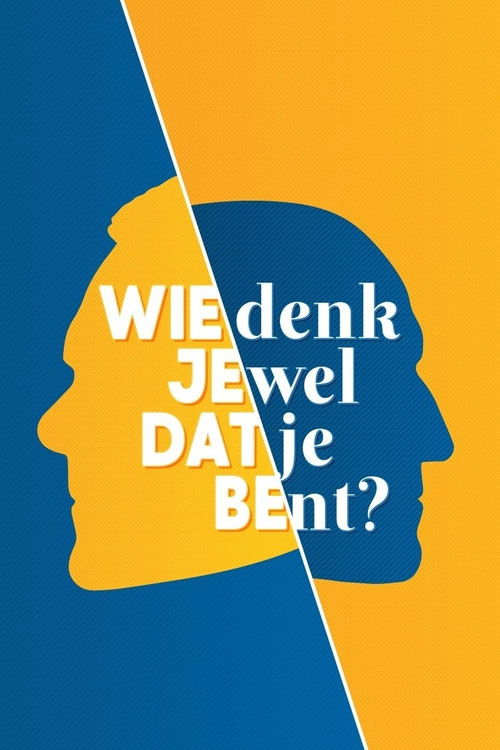
Who do you think you are? (2020)
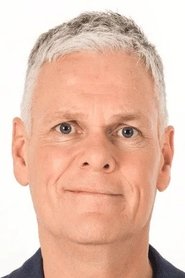
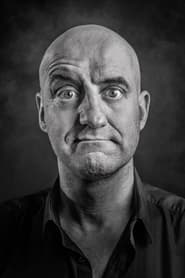
Who do you think you are? is a program full of psychological, social and physical experiments with a good dose of humor. Rob Urgert and Joep van Deudekom always subject two groups of people who are opposite each other in society to scientific, but often hilarious experiments, to gain more insight into their differences.
Cast
Seasons
Season 1
Two groups of people who are polar opposites in society are subjected to scientific, but often hilarious experiments, to gain more insight into their differences.

E1 Youngsters versus oldies
Rob Urgert and Joep van Deudekom subject two groups of people who are opposites of eachother in society, to scientific, but often hilarious experiments in order to gain more insight into their differences. They are assisted by Ap Dijksterhuis, professor of social psychology at Radboud University in Nijmegen.
E2 Liberal Conservatives versus Centre Leftists
Rob Urgert and Joep van Deudekom subject two groups of people who are opposites of eachother in society, to scientific, but often hilarious experiments in order to gain more insight into their differences. They are assisted by Ap Dijksterhuis, professor of social psychology at Radboud University in Nijmegen.
E3 Stressed outs versus ice queens
Rob Urgert and Joep van Deudekom subject two groups of people who are opposites of eachother in society, to scientific, but often hilarious experiments in order to gain more insight into their differences. They are assisted by Ap Dijksterhuis, professor of social psychology at Radboud University in Nijmegen.
E4 Believers versus unbelievers
Rob Urgert and Joep van Deudekom subject two groups of people who are opposites of eachother in society, to scientific, but often hilarious experiments in order to gain more insight into their differences. They are assisted by Ap Dijksterhuis, professor of social psychology at Radboud University in Nijmegen.
E5 Beautiful women versus 'ordinary' women
Rob Urgert and Joep van Deudekom subject two groups of people who are opposites of eachother in society, to scientific, but often hilarious experiments in order to gain more insight into their differences. They are assisted by Ap Dijksterhuis, professor of social psychology at Radboud University in Nijmegen.
E6 Meat eaters versus vegetarians
Rob Urgert and Joep van Deudekom subject two groups of people who are opposites of eachother in society, to scientific, but often hilarious experiments in order to gain more insight into their differences. They are assisted by Ap Dijksterhuis, professor of social psychology at Radboud University in Nijmegen.
Season 2
Two groups of people who are polar opposites in society are subjected to scientific, but often hilarious experiments, to gain more insight into their differences.

E1 Chaotics versus perfectionists
Do perfectionists have less junk in their cars? Are they more blunt with people who make mistakes than chaotic? Do perfectionists often suffer from a stiff neck due to their chronic stress? Do chaotic people have more joie de vivre?
E2 Athletes versus sports haters
It is logical that athletes are generally healthier and fitter than sports haters. But are there other effects of sports that have an impact on everyday life? Are athletes less lazy? Are athletes less able to cope with losing? And who is willing to suffer more pain for a good cause?
E3 City folk versus villagers
Are people from the city less able to concentrate than people in the countryside? Do city dwellers have a more positive self-image? Who has a better chance of survival in the Dutch wilderness? And are villagers perhaps nicer than city dwellers?
E4 The youngest versus the oldest children in a family
Are oldest children better at leadership than youngest children? Are youngest children perhaps funnier? And are eldest children more claustrophobic because they were born through a narrower birth canal and if so, has that had lasting consequences?
E5 Cat people versus dog people
Are dog people better at lame talk than cat people? Are they also bossier? Can you smell the difference between dog and cat people? And which of the two is better resistant to very dirty things?
E6 Heart people versus head people
We compare the emotional heart people with the rational head people. Who is more empathetic when firing an employee? Who remains calmest after a collision? And if an IKEA cupboard needs to be assembled, who is best to leave it to?
Season 3
Two groups of people who are polar opposites in society are subjected to scientific, but often hilarious experiments, to gain more insight into their differences.

E1 Hard G vs. Soft G (Northerners vs. Southerners)
What does it say about you if you live above or below the major rivers? Are people with a soft G perhaps more honest? Are people with a hard G really such misers? And is the prejudice that northerners are less sociable than southerners correct?
E2 Many kids vs No kids
How do you change when you have children? Is it easier for people with children to ignore themselves? Do they cry more quickly? And are they better able to complete a difficult task successfully?
E3 Nerds vs Really not nerds
Once upon a time, 'nerd' was almost a swear word, but nowadays it is increasingly seen as cool. But how do you recognize nerds? Are nerds less likely to ask for help when they have problems? And are they really that socially awkward? Or are nerds actually just as herd animals as the rest?
E4 Spirituals vs Rationals
Spirituality is hot. But what does it say about you if you are spiritual? Are you less inhibited compared to your rational fellow man? Are spiritual people perhaps also easier to scam? And who is best to have at your deathbed at the end of your life: someone who thinks very down-to-earth about life and death, or someone who is very spiritual?
E5 Phone addicts vs Recreational users
Smartphone addiction is a major social problem. What does it do to you if you sit on Instagram and tiktok all day? Does that give you a shorter attention span? What does it do to your health and your body? And might it also have advantages?
E6 Happy go luckies vs worriers
Some people see bears on the road everywhere. Others don't worry about anything. But who sees the world more realistically? Who performs better under pressure: worriers, who are afraid of making a fool of themselves, or happy eggs, who avoid all criticism? And can happy eggs also make excuses when things go wrong?
Similar

Sammy On The Go

Sidewalk Scientist (Sr.2)

Sidewalk Scientist (Sr.3)

Sidewalk Scientist (Sr.4)
Sidewalk Scientist (Sr.5)
Maniac

Sidewalk Scientist (Sr.1)

Sidewalk Scientist Summer Special
Pinky and the Brain
Clone High

Sidewalk Scientist Coronavirus Special

Sidewalk Scientist (Sr.6)
Where to Watch
Originally on:
 NTR
Not currently streaming in the US
Streaming data by JustWatch