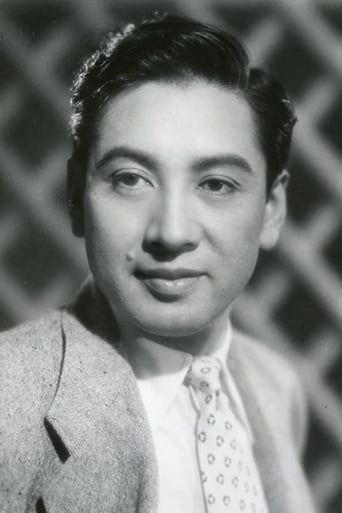
Kazuo Hasegawa
Kazuo Hasegawa was a Japanese film and stage actor. He appeared in over 300 films from 1927 to 1963.
Born to a sake brewing family in Kyoto, he first appeared on stage at age five in a theater run by his family as a side business. In 1918, he became a student of Nakamura Ganjirō I and performed kabuki in the Kansai region. He joined the Shochiku studio in 1927 and made his film debut in Chigo no kenpō under the name Chōjirō Hayashi. His good looks and graceful fighting style made him a major jidaigeki star, and he appeared in more than 120 films for Shochiku in 11 years, with the best works being directed by Teinosuke Kinugasa. He moved to the Toho studio in 1937. On 11 November 1937, however, he was attacked by ruffians and his face slashed with razor blades. According to the historian Daisuke Miyao, "Even though there was no clear evidence, it was widely assumed that this violent incident was Shochiku's retaliatory measure against Hayashi's so-called betrayal." He recovered and changed his stage name to his real name, Kazuo Hasegawa. Hasegawa appeared in many successful films for Toho, including several "national-policy pictures with Chinese settings," such as Song of the White Orchid (1939) and China Night (1940), with co-star Ri Koran. He moved to Daiei Film in 1950 and continued appearing in the popular Zenigata Heiji series. He also appeared in many classic films including Kozaburo Yoshimura's The Tale of Genji (1951), Kinugasa's Gate of Hell (1953), and Kenji Mizoguchi's The Crucified Lovers (1954). He was appointed to Daiei's board of directors in 1957. To celebrate his 300th film, Hasegawa appeared in a new version of Yukinojō henge (known abroad as An Actor's Revenge) in 1963, directed by Kon Ichikawa. He left Daiei that year and continued to appear on stage and television, including starring in the second NHK Taiga drama Akō Rōshi in 1964. He also directed the Takarazuka Revue version of The Rose of Versailles in 1974.
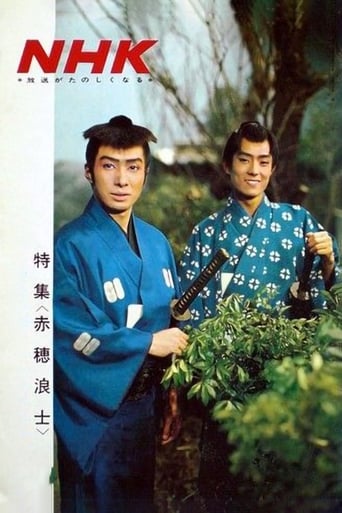
Akō Rōshi
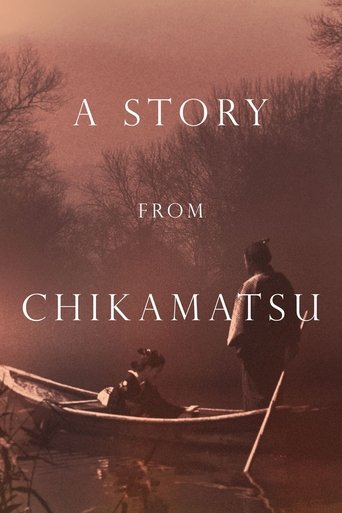
Chikamatsu Monogatari
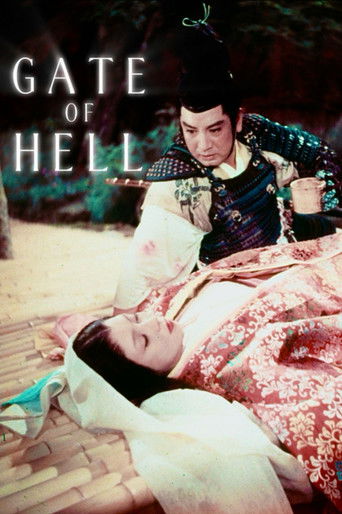
Gate of Hell
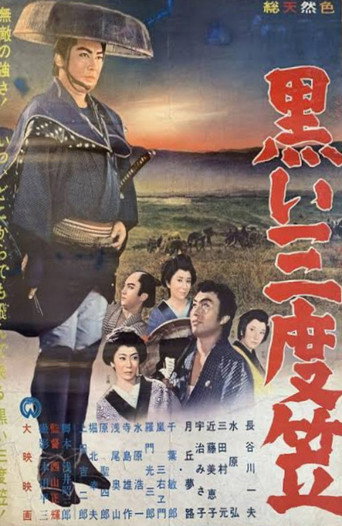
Kuroi sandogasa
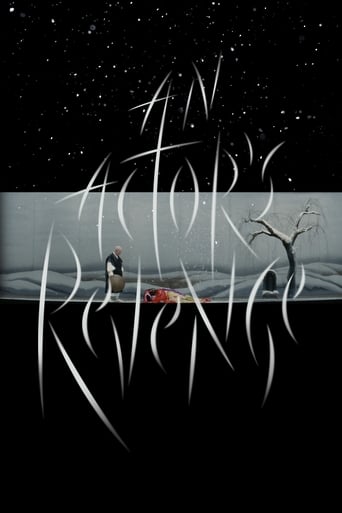
An Actor's Revenge

The Casebooks of Heiji Zenigata: Beautiful Spider
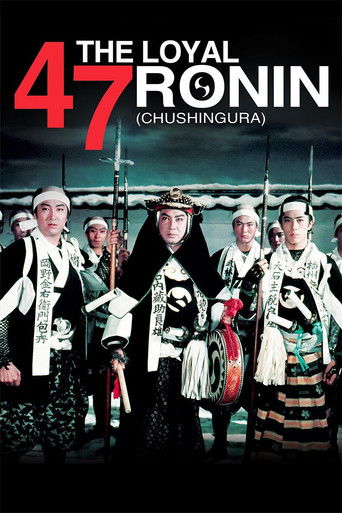
The Loyal 47 Ronin

Senryō hada
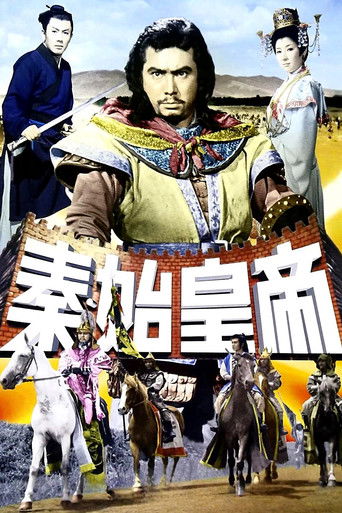
The Great Wall
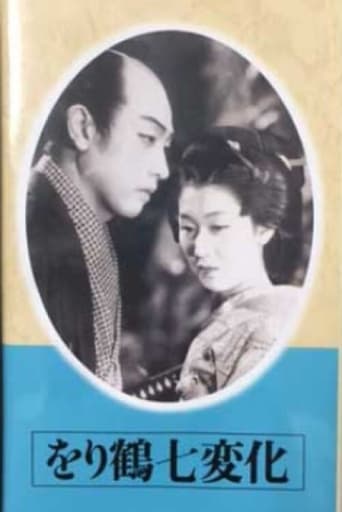
The Seven Changes of a Paper Crane (Part 1)
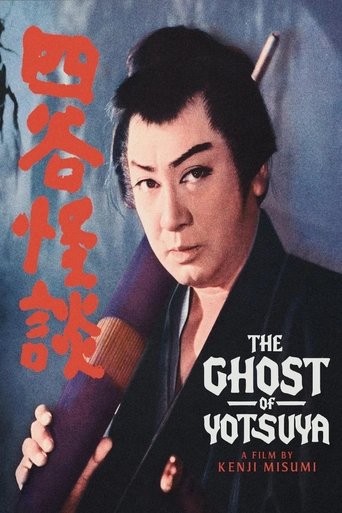
The Ghost of Yotsuya
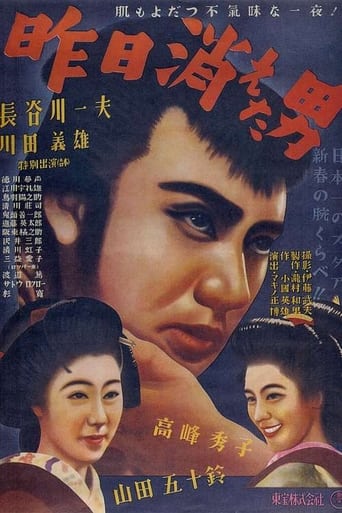
The Man Who Disappeared Yesterday
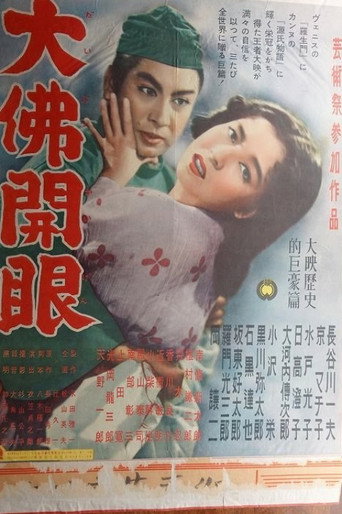
Dedication of the Great Buddha
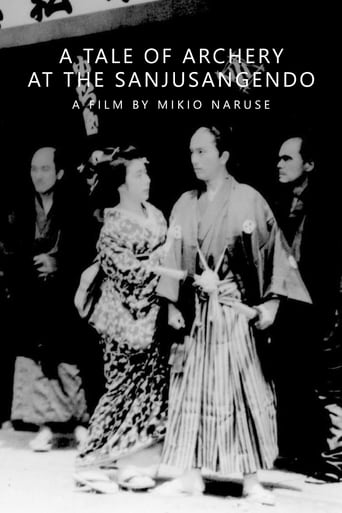
A Tale of Archery at the Sanjusangendo
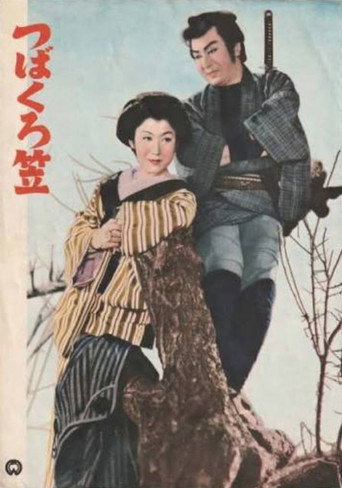
Tsubakuro kasa
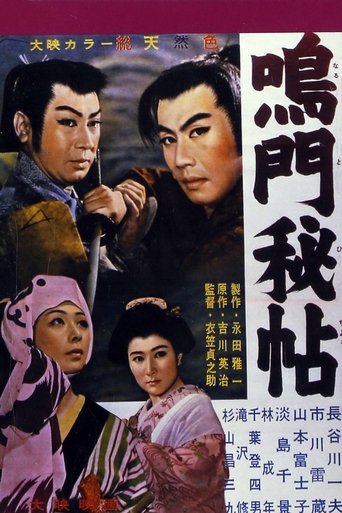
Secret of Naruto
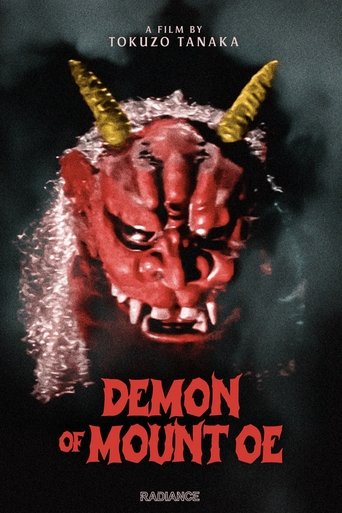
The Demon of Mount Oe
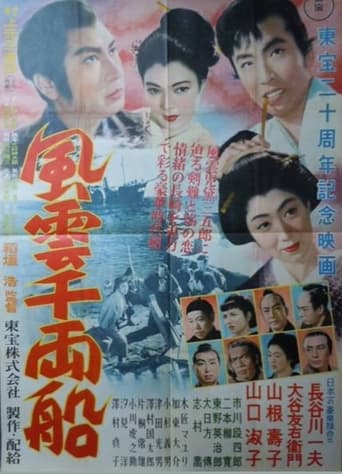
One Thousand Ryo Ship in the Wind and Clouds
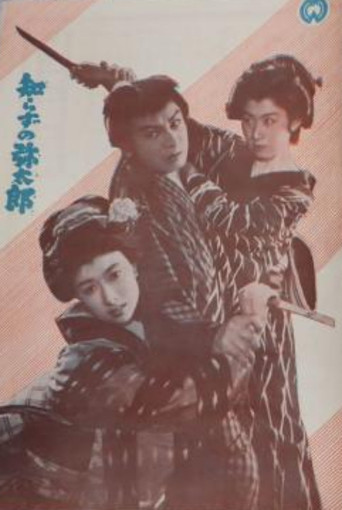
Shirazu no Yatarō
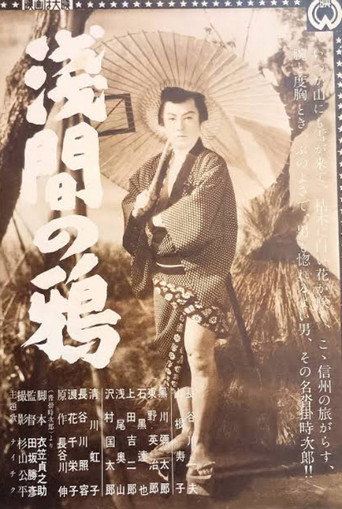
Asama no karasu
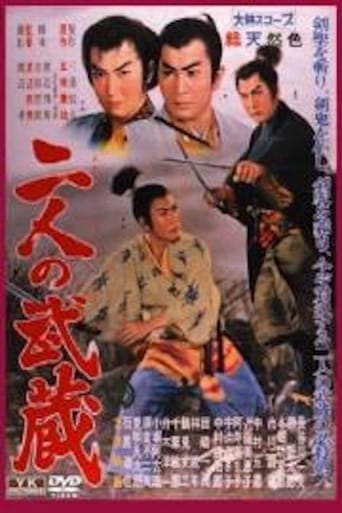
The Two Musashis
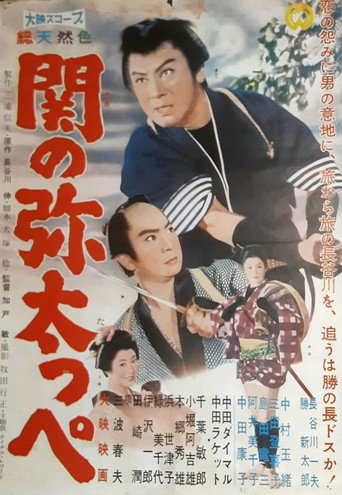
Seki no Yatappe
An Heir's Place

Jirocho Fuji
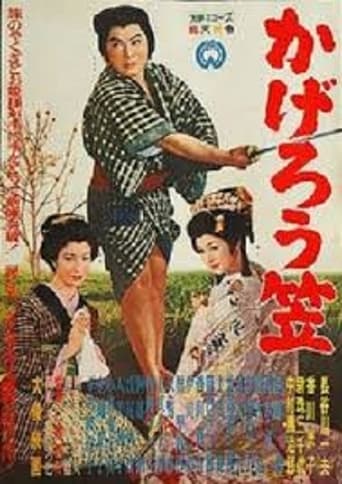
Gambler and the Princess
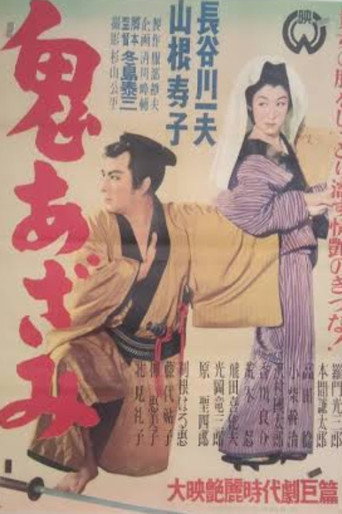
Oni azami
Dance of the Capital
Oath on the Burning Sands
A Samurai's Love
Zoku Shurajō Hibun: Hiryū no Maki
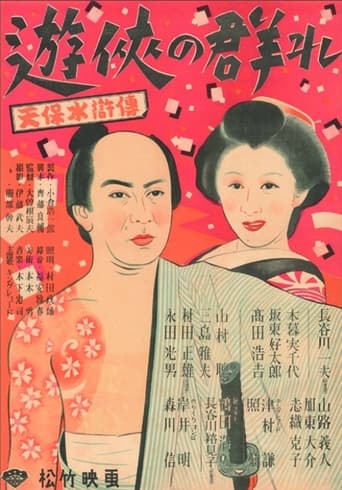
Yūkyō no mure

Hana no yukyo-den
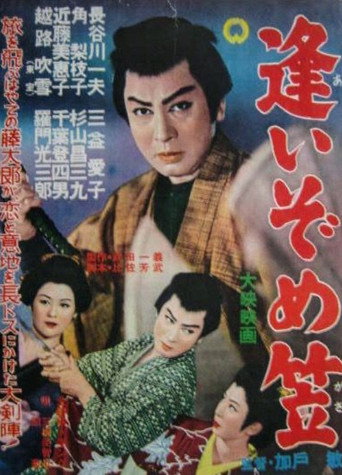
Aizome gasa
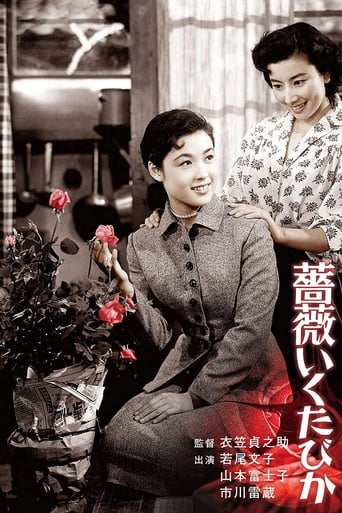
A Girl Isn't Allowed to Love

The Tale of Genji

Case Files of Zenigata Heiji: Heiji Covers All of Edo
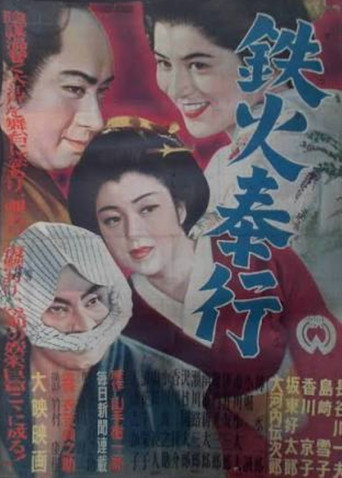
Tekka bugyō
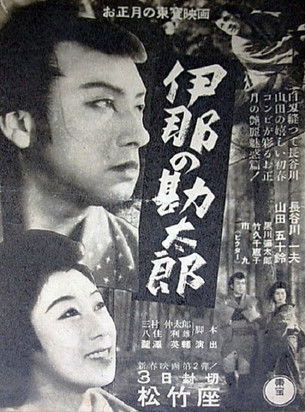
Kantaro of Ina
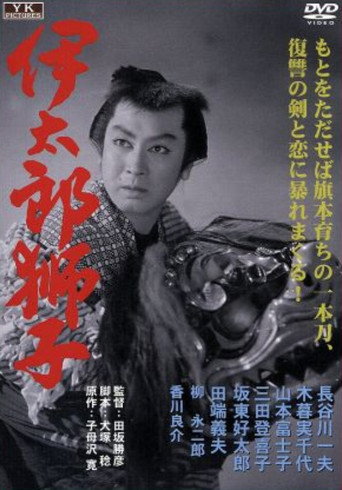
Itarō jishi
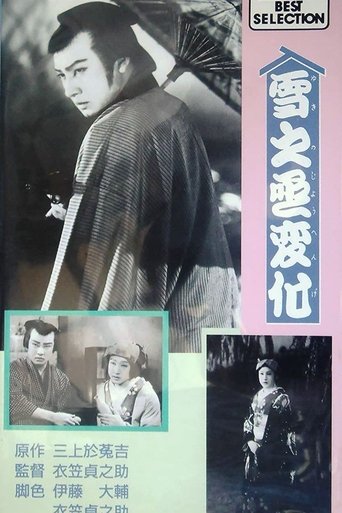
An Actor's Revenge
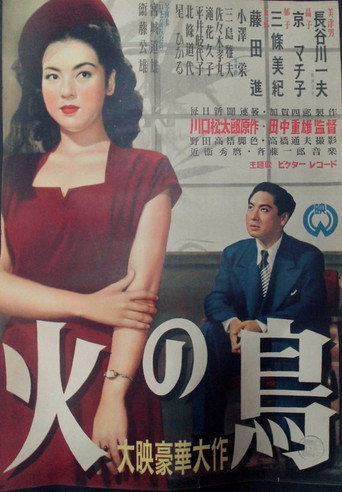
Phoenix
With a Single Sword Bale
With a Single Sword Bale
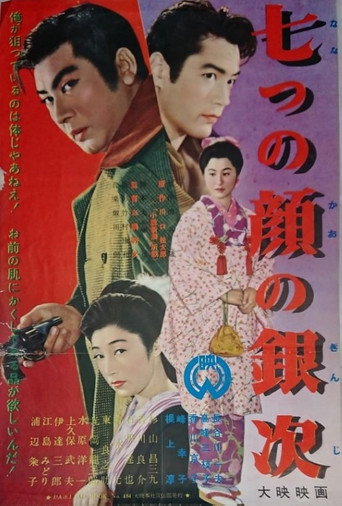
Ginji of the Seven Faces
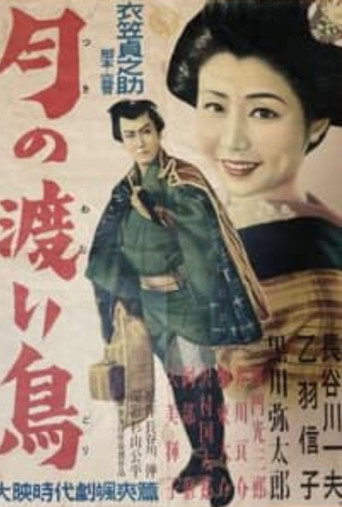
Tsuki no wataridori
Dancers of Awa
Tojuro's Love
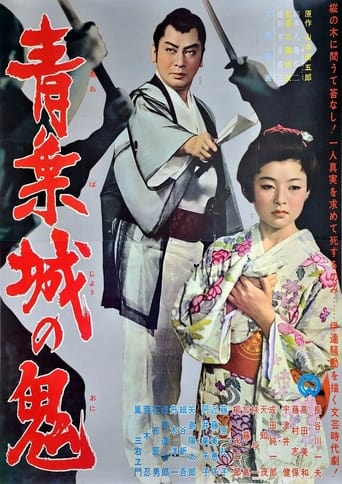
The Demon of Sendai's Castle
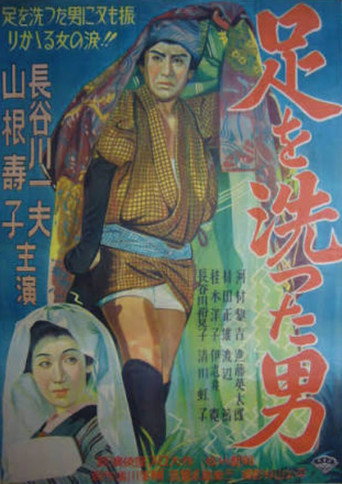
Ashi o aratta otoko
Case Files of Zenigata Heiji: The Human-Skin Spider
Case Files of Zenigata Heiji: The Human-Skin Spider
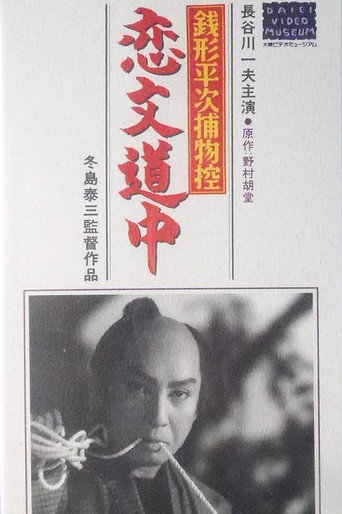
Zenigata heiji torimono hikae: Koibumi dōchū
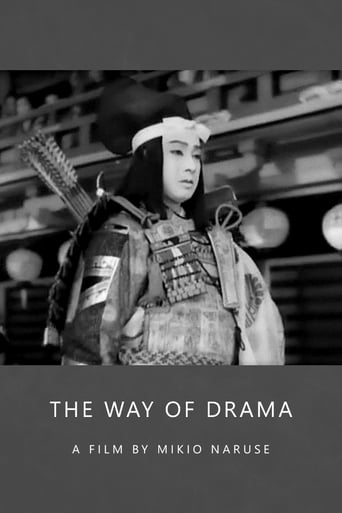
The Way of Drama

Ninjō misui
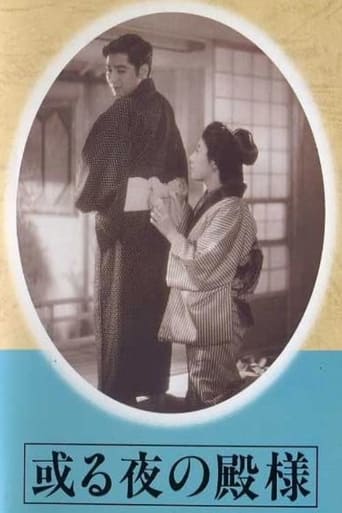
Lord for a Night
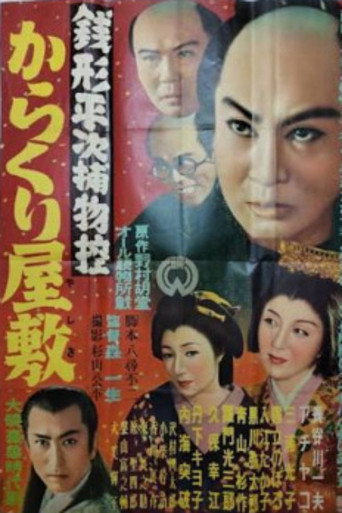
Zenigata heiji torimono hikae: Karakuri yashiki
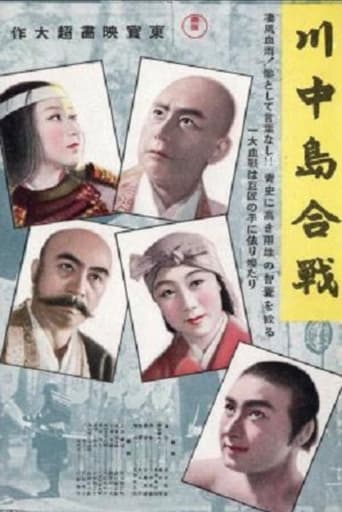
The Battle of Kawanakajima
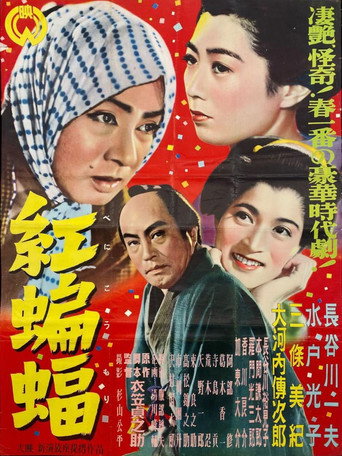
The Scarlet Bat
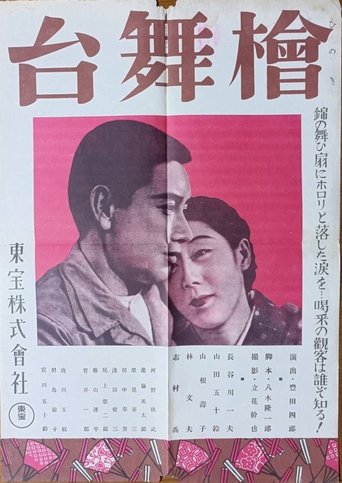
Hinoki Butai
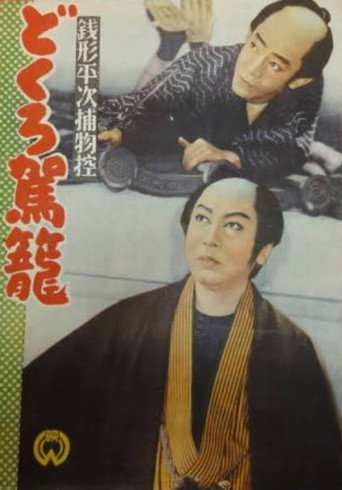
Zenigata heiji torimono hikae: Dokuro kago
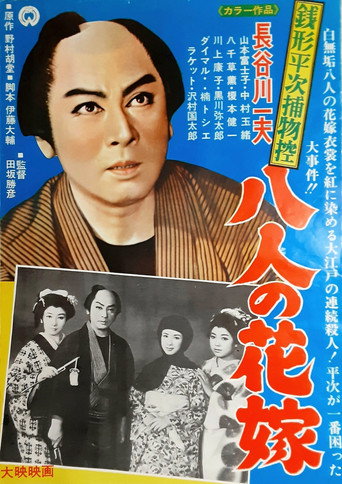
Zenigata Heiji torimono hikae: hachi-nin no hanayome

Tôjûrô no koi
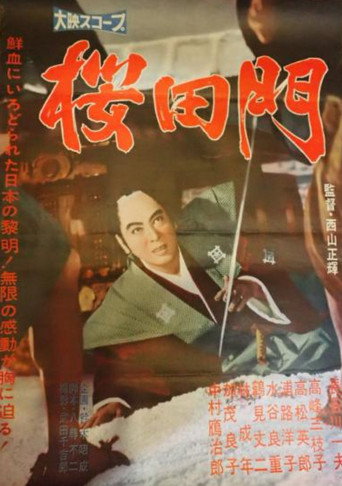
Sakurada mon
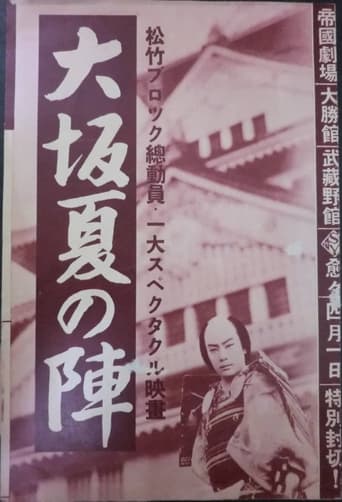
The Siege of Osaka

Mito Komon’s Journey to Ezo
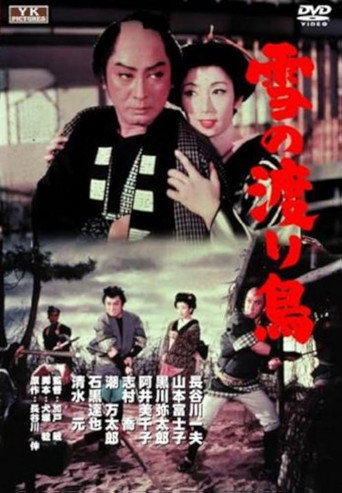
Yuki no wataridori

Lantern Under a Full Moon

Idaten Kaido
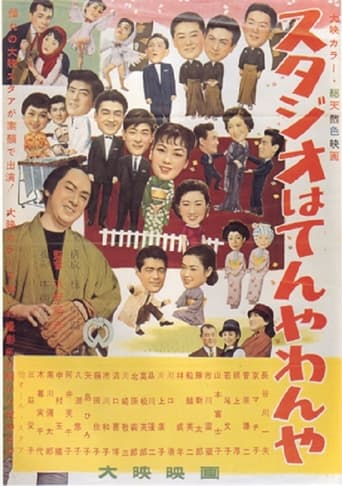
Daiei Studio is Bustling

The Man from the Moon
Rikugun Daikoshin
Rikugun Daikoshin
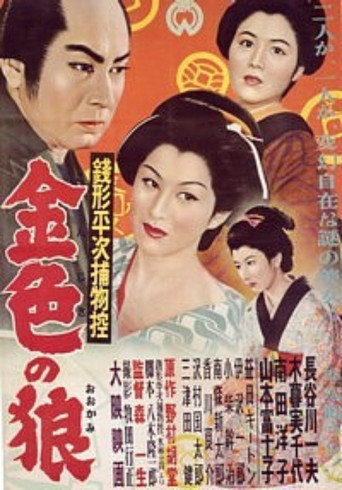
Zenigata heiji torimono hikae: Kiniro no ōkami
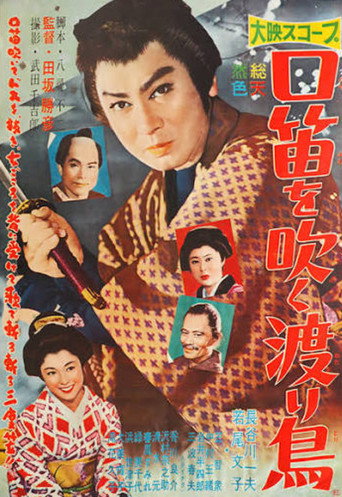
Kuchibue o fuku wataridori
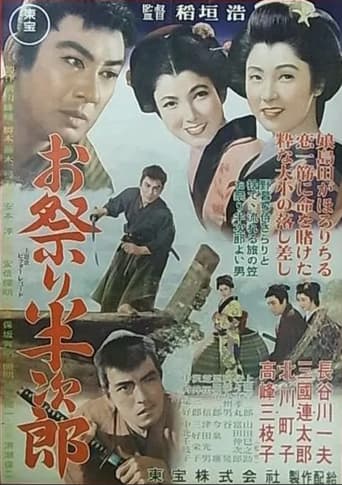
Omatsuri hanjiro
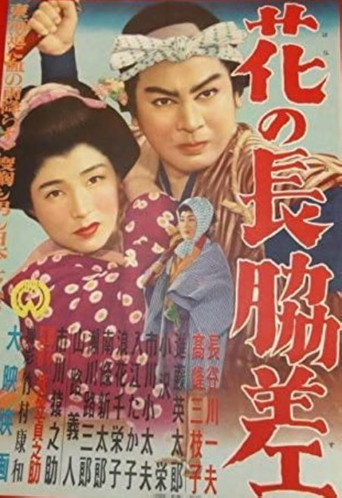
Hana no nagadosu
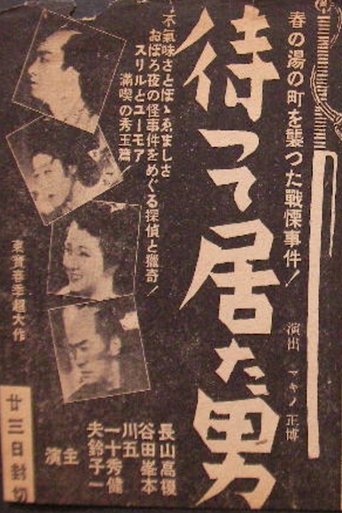
The Man Who Waited
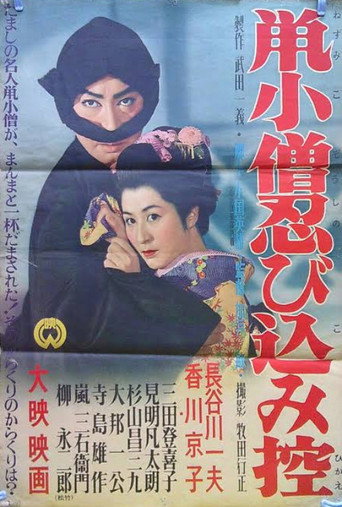
Nezumi Kozō shinobi komi hikae

Hebi hime dōchū
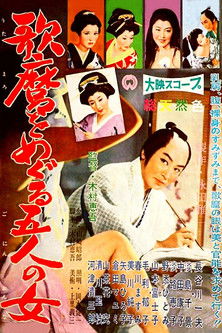
Utamaro, Painter of the Woman
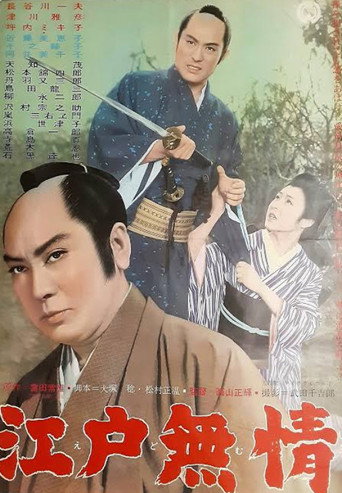
Edo mujō
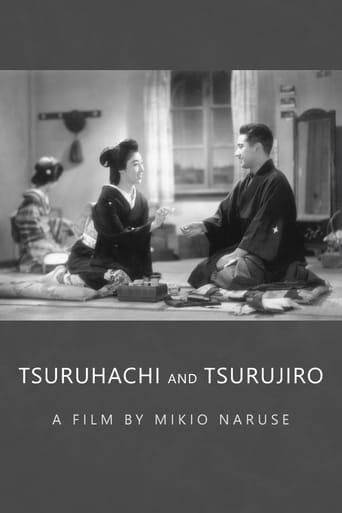
Tsuruhachi and Tsurujiro
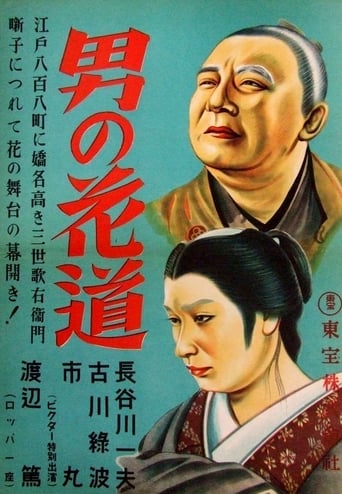
A Man's Flower Road of Triumph