
George Antheil
George Antheil (/ˈæntaɪl/; July 8, 1900 – February 12, 1959) was an American avant-garde composer, pianist, author and inventor whose modernist musical compositions explored the modern sounds – musical, industrial, mechanical – of the early 20th century.
Spending much of the 1920s in Europe, Antheil returned to the US in the 1930s, and thereafter spent much of his time composing music for films and, eventually, television. As a result of this work, his style became more tonal. A man of diverse interests and talents, Antheil was constantly reinventing himself. He wrote magazine articles (one accurately predicted the development and outcome of World War II), an autobiography, a mystery novel, newspaper and music columns.
In 1941 he developed a radio guidance system for Allied torpedoes with actress Hedy Lamarr that used a code (stored on a punched paper tape) to synchronise random frequencies, referred to as frequency hopping, with a receiver and transmitter. This technique, which is now known as spread spectrum, is now widely used in telecommunications. This work led to them being inducted into the National Inventors Hall of Fame in 2014.

In a Lonely Place
Make Way for Tomorrow
Repeat Performance
The Pride and the Passion
The Sniper

Bombshell: The Hedy Lamarr Story
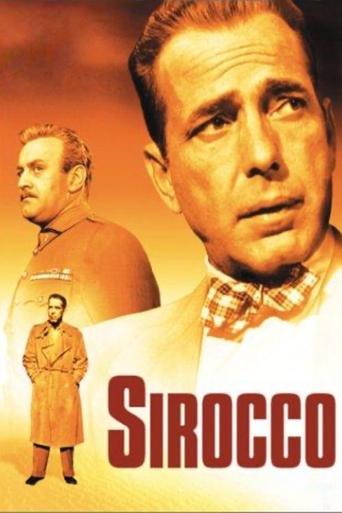
Sirocco

Not as a Stranger

The Fighting Kentuckian
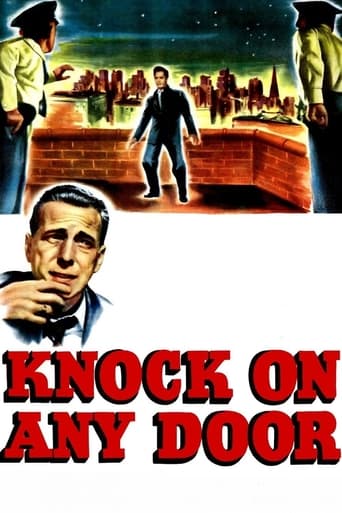
Knock on Any Door

House by the River

The Giant Claw
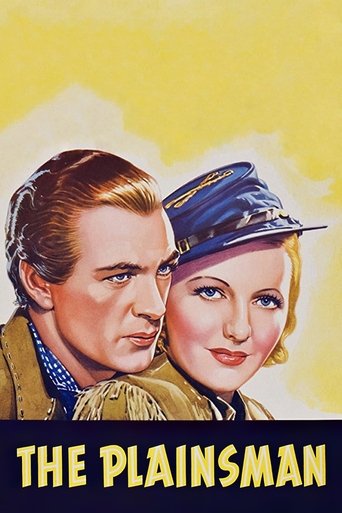
The Plainsman

Tokyo Joe

We Were Strangers

Angels Over Broadway

The Juggler

The Werewolf

The Buccaneer

Dementia

That Brennan Girl

The Plainsman and the Lady

Actors and Sin

Specter of the Rose
Hans van Mierlo, What I Still Dream of Writing

Jesse James' Women
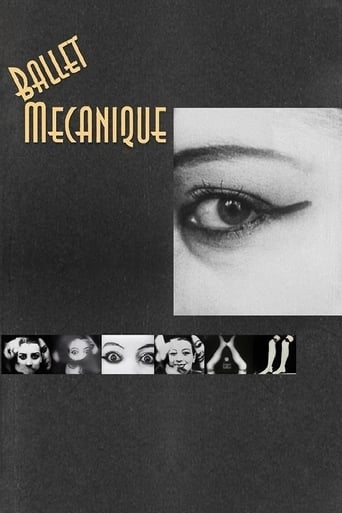
Ballet Mécanique

The Young Don't Cry

Once in a Blue Moon
Harlem Sketches
Harlem Sketches

Pinball