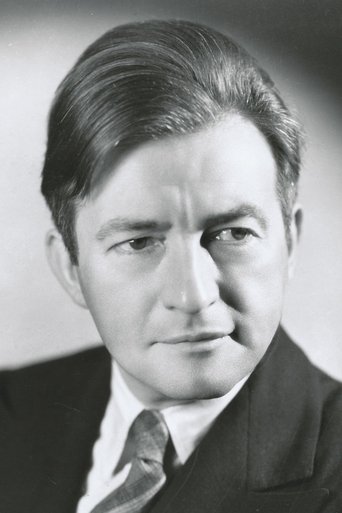
Claude Rains
Claude Rains (November 10, 1889 – May 30, 1967) was an English stage and film actor whose career spanned 47 years; he later held American citizenship. He was known for many roles in Hollywood films, among them the title role in The Invisible Man (1933), a corrupt senator in Mr. Smith Goes to Washington (1939), and Captain Renault in Casablanca (1942).
Rains was born William Claude Rains in Camberwell, London on November 10, 1889. He grew up, according to his daughter, with "a very serious cockney accent and a speech impediment". His father was British stage actor Frederick Rains, and the young Rains made his stage debut at 11 in Nell of Old Drury.
His acting talents were recognised by Sir Herbert Beerbohm Tree, founder of The Royal Academy of Dramatic Art. Tree paid for the elocution lessons Rains needed in order to succeed as an actor. Later, Rains taught at the institution, teaching John Gielgud and Laurence Olivier, among others.
Rains served in the First World War in the London Scottish Regiment, with fellow actors Basil Rathbone, Ronald Colman and Herbert Marshall. Rains was involved in a gas attack that left him nearly blind in one eye for the rest of his life. However, the war did aid his social advancement and, by its end, he had risen from the rank of Private to Captain.
Rains began his career in the London theatre, having a success in the title role of John Drinkwater's play Ulysses S. Grant, the follow-up to the playwright's major hit Abraham Lincoln, and traveled to Broadway in the late 1920s to act in leading roles in such plays as Shaw's The Apple Cart and in the dramatizations of The Constant Nymph, and Pearl S. Buck's novel The Good Earth, as a Chinese farmer.
Rains came relatively late to film acting and his first screen test was a failure, but his distinctive voice won him the title role in James Whale's The Invisible Man (1933) when someone accidentally overheard his screen test being played in the next room. Rains later credited director Michael Curtiz with teaching him the more understated requirements of film acting, or "what not to do in front of a camera".
Naked City
Dr. Kildare
The Ed Sullivan Show
Rawhide
Alfred Hitchcock Presents
Playhouse 90
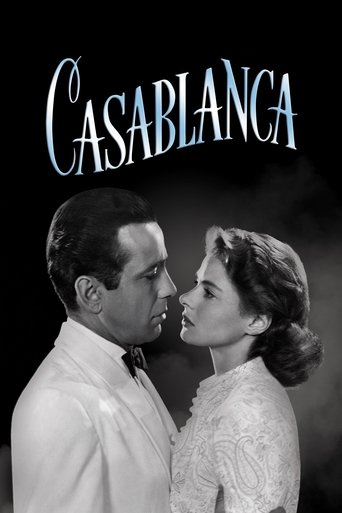
Casablanca
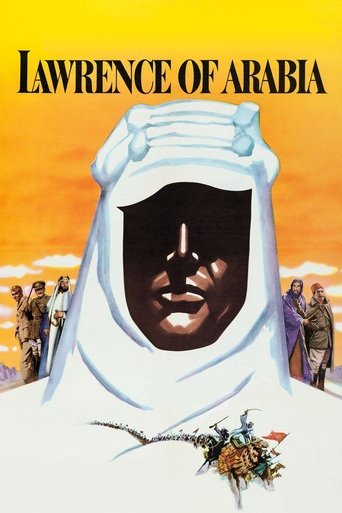
Lawrence of Arabia
Sam Benedict
Hallmark Hall of Fame
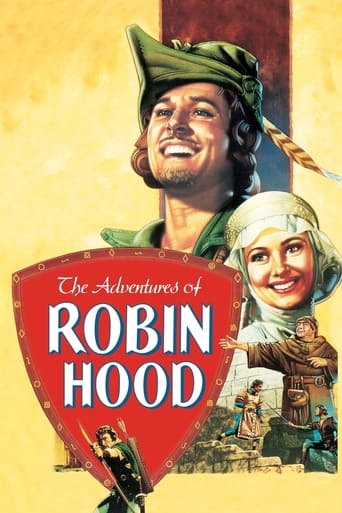
The Adventures of Robin Hood
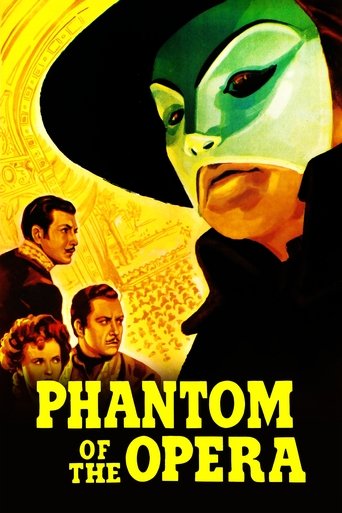
Phantom of the Opera

The Invisible Man
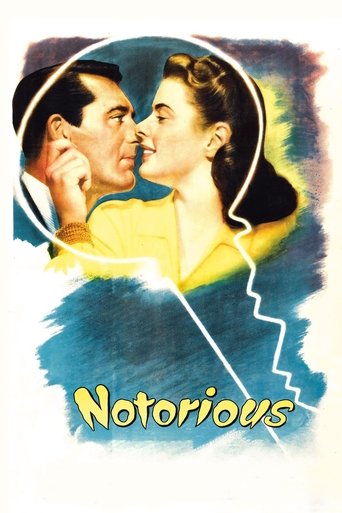
Notorious
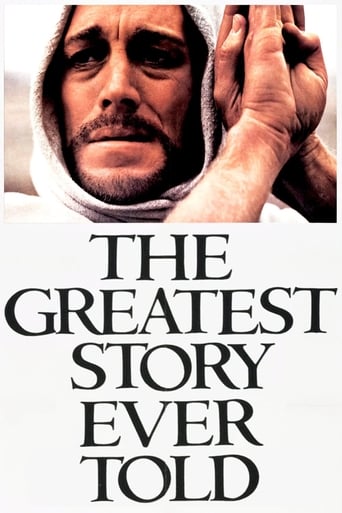
The Greatest Story Ever Told

Mr. Smith Goes to Washington
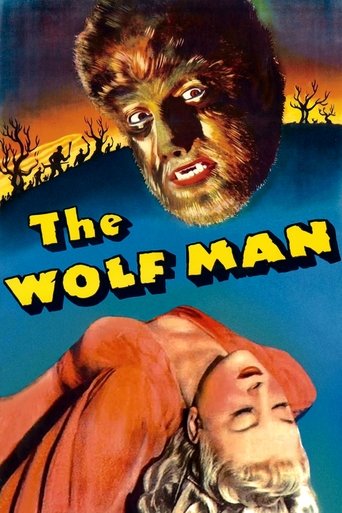
The Wolf Man
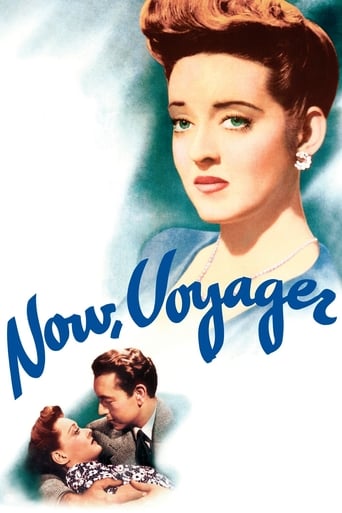
Now, Voyager
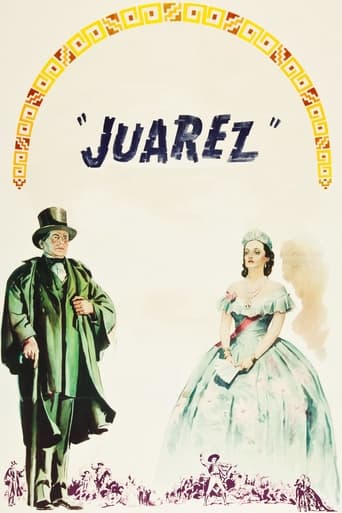
Juarez
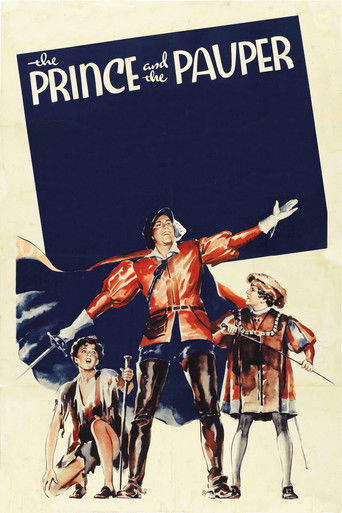
The Prince and the Pauper
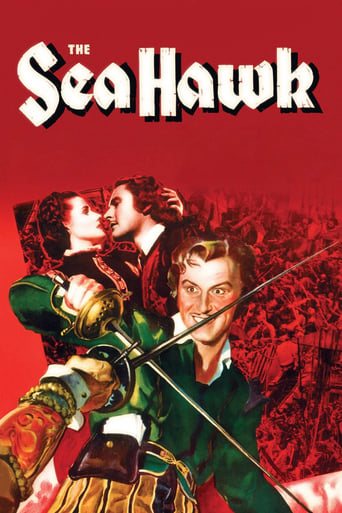
The Sea Hawk
Here Comes Mr. Jordan

The Man Who Watched Trains Go By

The Lost World
Caesar and Cleopatra
The Unsuspected
Deception
Mr. Skeffington
Hollywood Out-takes and Rare Footage

Lisbon
Scrooge
The Mystery of Edwin Drood

The Pied Piper of Hamelin

Angel on My Shoulder
Forever and a Day
James Stewart: A Wonderful Life

They Made Me a Criminal

Breakdowns of 1942
Breakdowns of 1941
Passage to Marseille
Lady with Red Hair
The Clairvoyant

Breakdowns of 1936

Kings Row
The Passionate Friends

This Earth Is Mine

Battle of the Worlds

The White Tower
Anthony Adverse

Where Danger Lives

Four Mothers

They Won't Forget
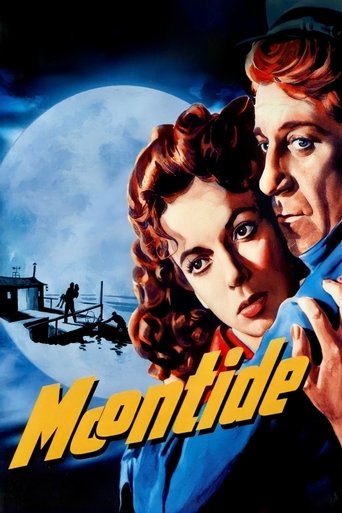
Moontide

Rope of Sand
Breakdowns of 1938
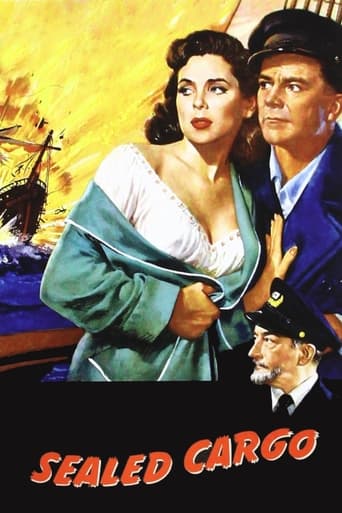
Sealed Cargo

The Man Who Reclaimed His Head

Sons of Liberty

The Opera Ghost: A Phantom Unmasked

Famous Monster: Forrest J Ackerman

Monster by Moonlight! The Immortal Saga of 'The Wolf Man'

Breakdowns of 1937

Four Daughters
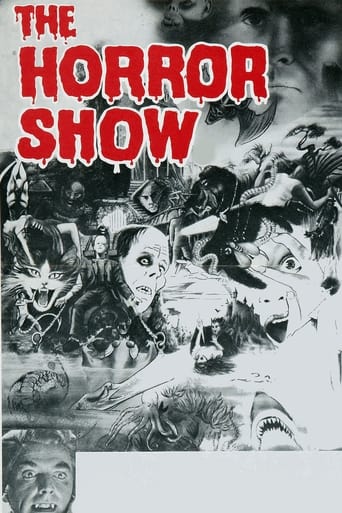
The Horror Show
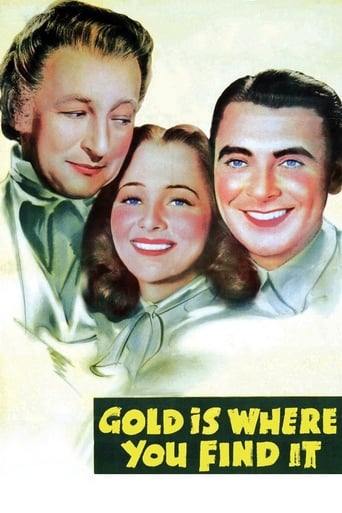
Gold Is Where You Find It
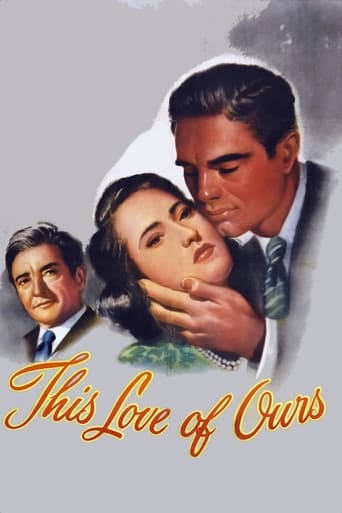
This Love of Ours
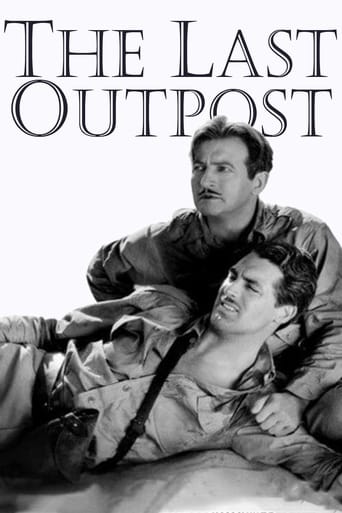
The Last Outpost

Saturday's Children
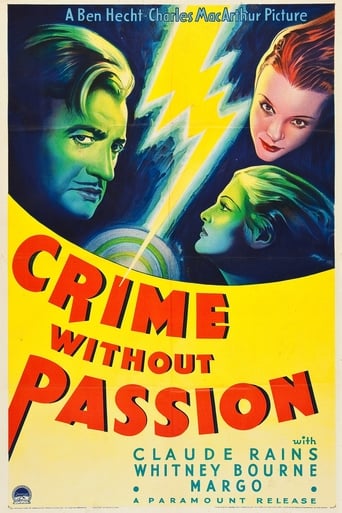
Crime Without Passion
Twilight of Honor
Classic Movie Bloopers: Uncensored

White Banners
Four Wives

Halloween Monster Bash
Daughters Courageous

Strange Holiday

Ingrid Bergman Remembered
Blow-Ups of 1946

Song of Surrender

The Making of a Great Motion Picture