
Arvo Pärt
Arvo Pärt (Estonian pronunciation: [ˈɑrʋo ˈpært]; born September 11, 1935) is an Estonian composer of classical and religious music.
Since the late 1970s, Pärt has worked in a minimalist style that employs tintinnabuli, a compositional technique he invented. His most performed works include Fratres (1977), Spiegel im Spiegel (1978), and Für Alina (1976).
From 2011 to 2018, Pärt was the most performed living composer in the world, and the second most performed in 2019. The Arvo Pärt Centre, in Laulasmaa, was opened to the public in 2018. Pärt's music is in part inspired by Gregorian chant.

Supernatural
Numb3rs

So You Think You Can Dance

Avengers: Age of Ultron

The Good Place

POV
Rectify

About Time
There Will Be Blood

Guapas
The Thin Red Line

The Place Beyond the Pines

Better Days

The Young Pope

Criminal Justice

The War
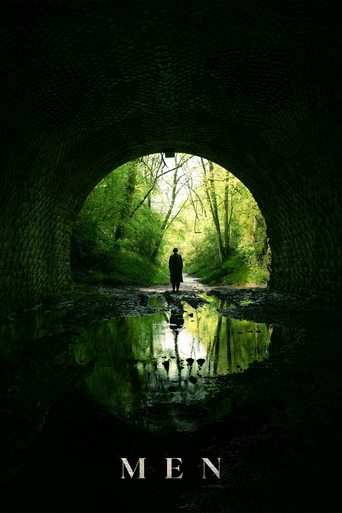
Men
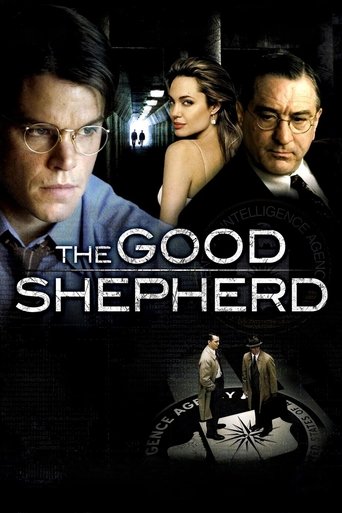
The Good Shepherd

The Lovers on the Bridge
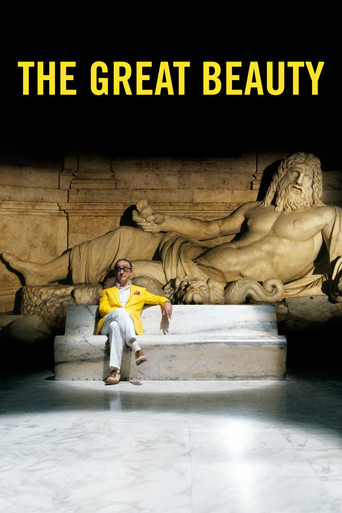
The Great Beauty

Loveless

Novitiate

Knight of Cups

Fahrenheit 9/11
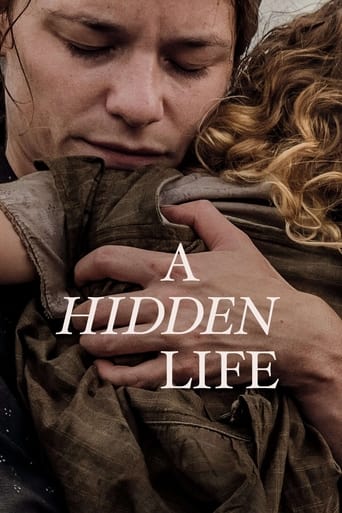
A Hidden Life
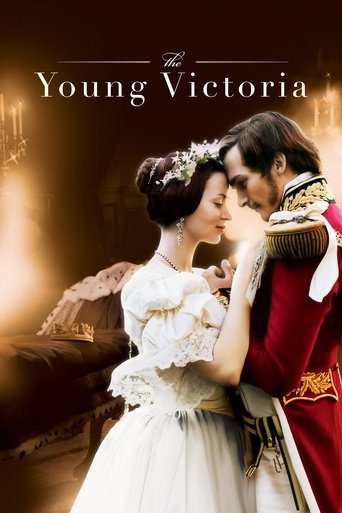
The Young Victoria

Revoir Paris

Swept Away
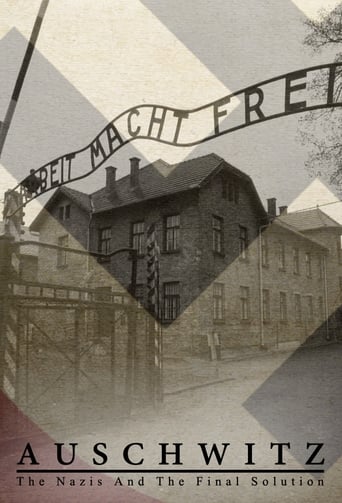
Auschwitz: The Nazis and the Final Solution

Foxcatcher

To the Wonder

Candy

This Must Be the Place
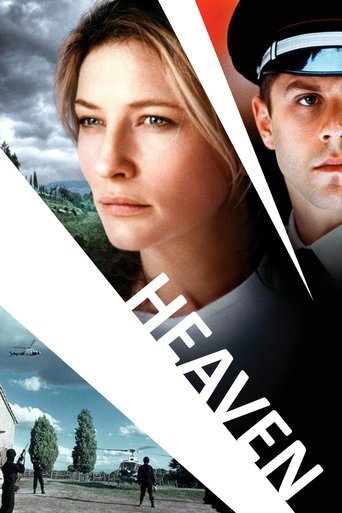
Heaven

The Way He Looks

The East

Dead Man's Shoes
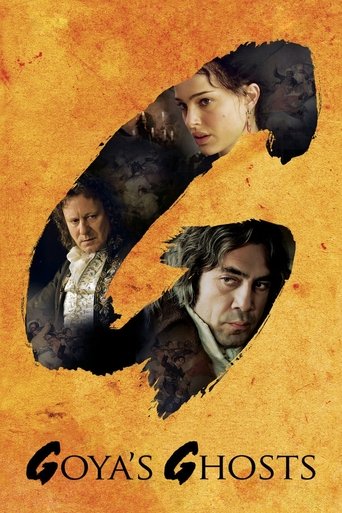
Goya's Ghosts
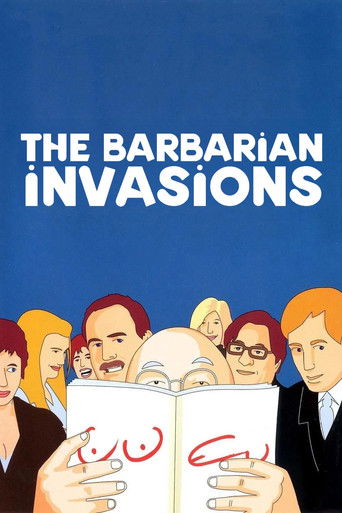
The Barbarian Invasions

Abandon

Elegy
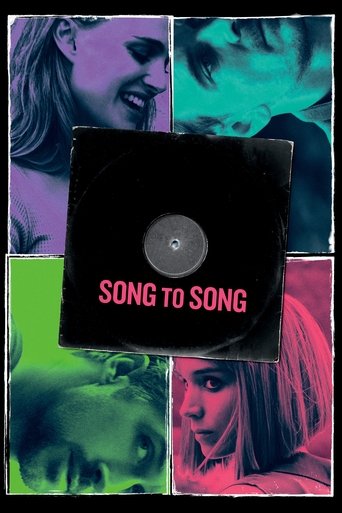
Song to Song
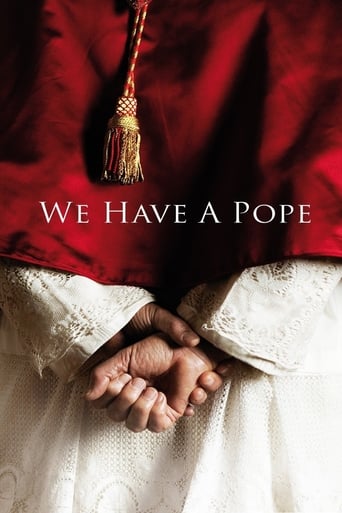
We Have a Pope
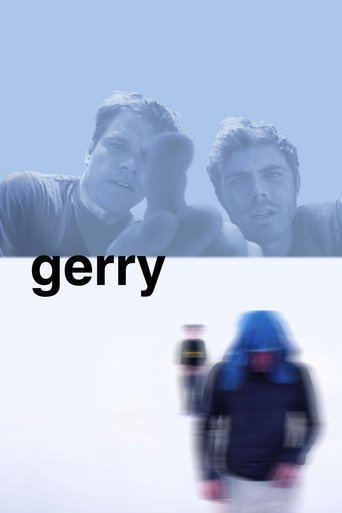
Gerry

The Man Who Laughs
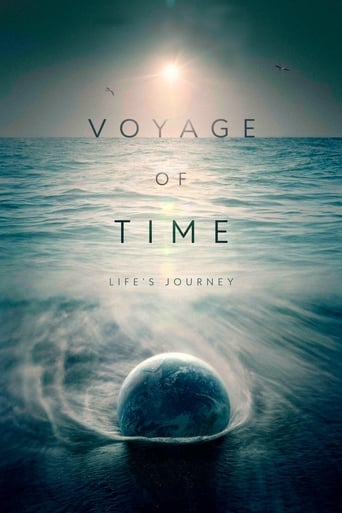
Voyage of Time: Life's Journey

The Club

Wit

The Banishment
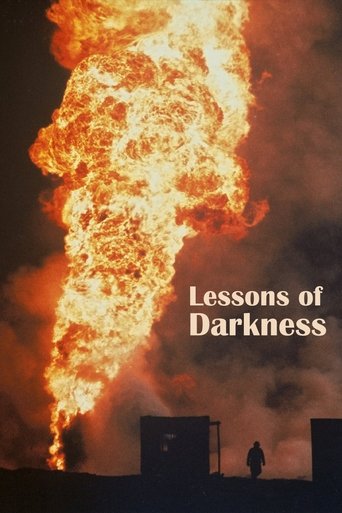
Lessons of Darkness

Squanto: A Warrior's Tale
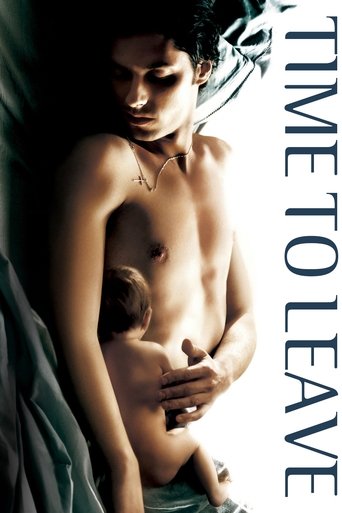
Time to Leave

Arabian Nights: Volume 1, The Restless One
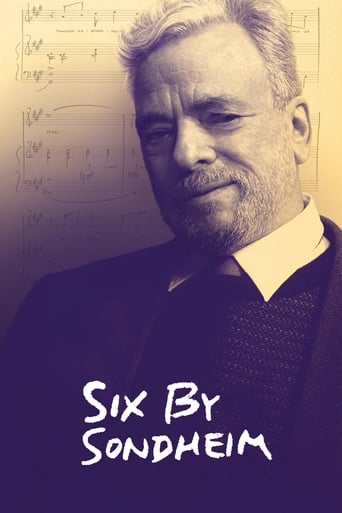
Six by Sondheim

Standing Tall

Augustine

Birds of Paradise

Mia Madre

The Daughter
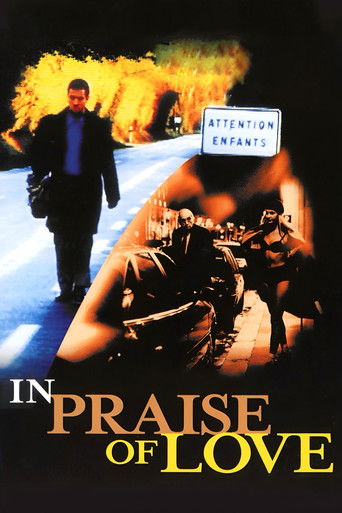
In Praise of Love

The Apparition

Mostly Martha
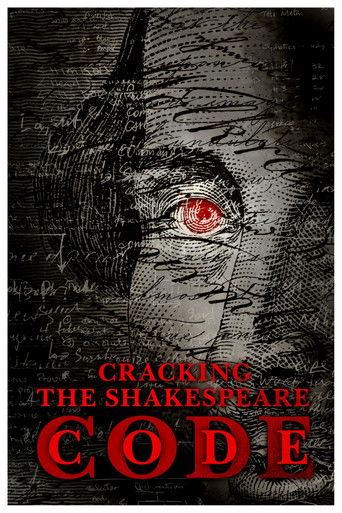
Cracking the Shakespeare Code

Inescapable
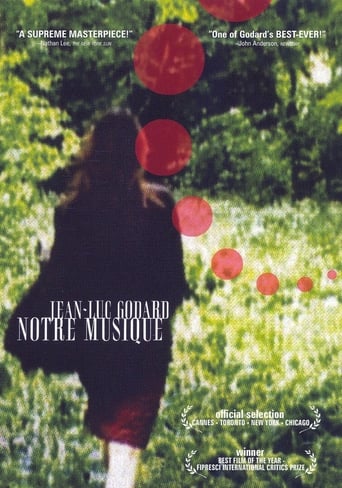
Notre Musique
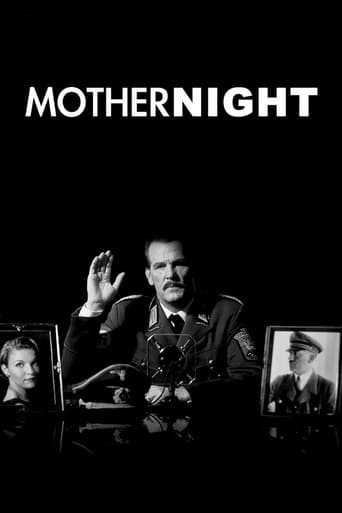
Mother Night

Pilot Pirx's Inquest

Dickens in America

Sweet Thing
In the Darkness of Time

Violette

Hamsun

The Buried Forest

Soldiers of Salamina

Adam's Passion

Red Lights

Promised Land
Rise and Fall of a Small Film Company

Wildebeest
Into Eternity: A Film for the Future