
Patrice Énard
Énard made his first short films in the mid-1960s. From the outset, his provocative style, stripped of all psychology, attests to the fact that he was part of the generation that launched the French protests of May ‘68. Invested in the dialectic of disobedience, his films constantly question their immersion in the ideological context of the time, in order to better escape it. Énard’s cinematic expression evolved toward a fundamentally analytical and experimental form of cinema. Driven by his increasingly personal reflections, he developed his own language and perfected it through the prism of an atypical, radical esthetic. His later films could be described as a form of cinema-poetry. He raised the bar higher and higher.
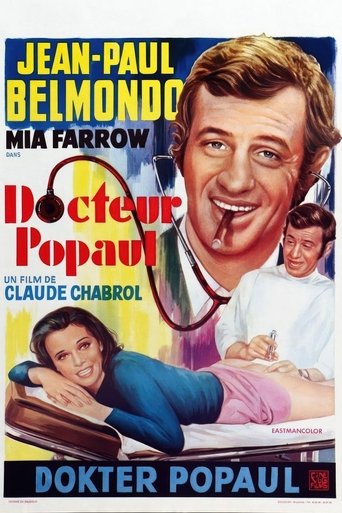
Scoundrel in White
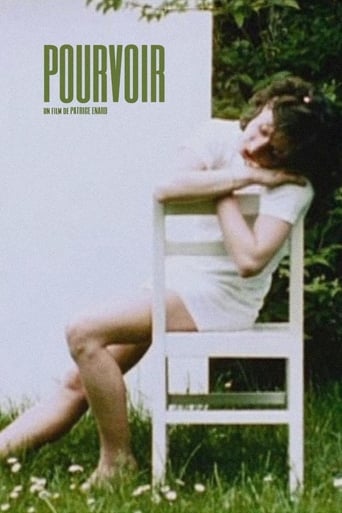
Pourvoir
Différences et répétitions III
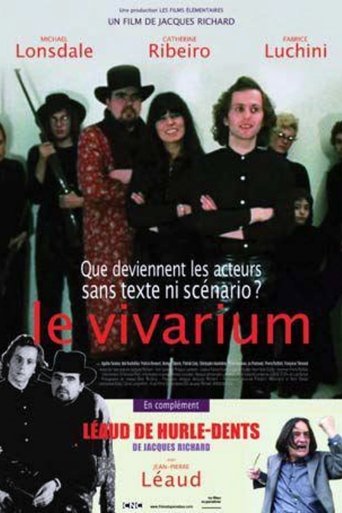
Né
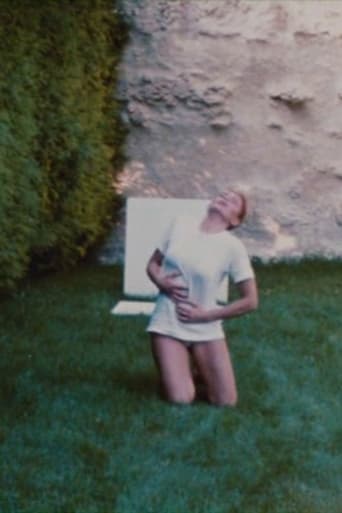
Double Life
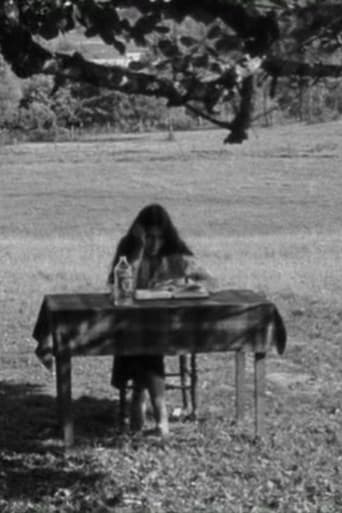
Différences et répétitions I
F... comme phantasme(s)
F... comme phantasme(s)

1967, 1968, 1969, 1970

Parcours
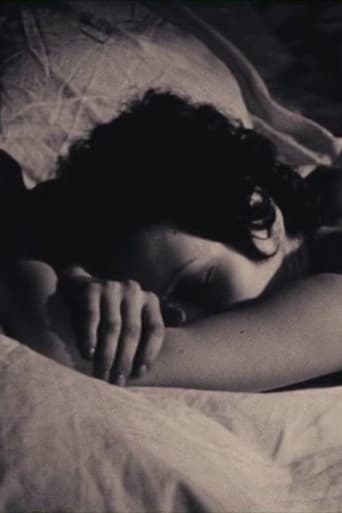
Différences et répétitions II
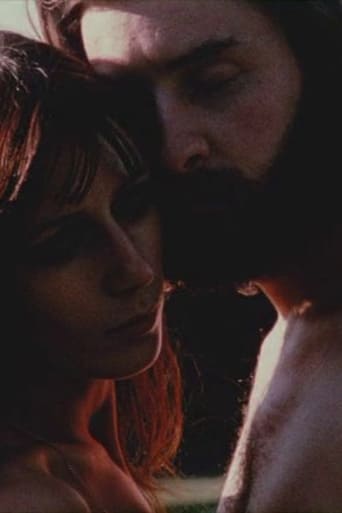
Le cinéma en deux

La parole en deux
Les Écrans déchirés
Les Écrans déchirés