
Georges Méliès
Georges Méliès (December 8, 1861 - January 21, 1938), full name Marie-Georges-Jean Méliès, was a French illusionist and filmmaker famous for leading many technical and narrative developments in the earliest days of cinema. One of the first filmmakers to use multiple exposures, time-lapse photography, tracking shots, dissolves, and hand-painted color in his work, Méliès pioneered effects that would define cinematic special effects for decades to come. A prolific innovator in the use of special effects, Méliès accidentally discovered the substitution stop trick in 1896, a method of creating seamless disappearing and/or appearing effects used throughout both films and television for decades to come. Because of his ability to seemingly manipulate and transform reality through cinematography, Méliès is sometimes referred to as the first "Cinemagician".
Two of his best-known films are A Trip to the Moon (1902) and The Impossible Voyage (1904). Both stories involve strange, surreal voyages, somewhat in the style of Jules Verne, and are considered among the most important early science fiction films, though their approach is closer to fantasy. Méliès was also an early pioneer of horror cinema, which can be traced back to his Le Manoir du diable (1896).
In early 1909 Méliès stopped making films to protest Thomas Edison's Motion Pictures Parents Company monopoly, and presided over the first meeting of the International Filmmakers Congress in Paris. Further financial hardships created by his opposition to Edison and diminishing influence, Méliès disappeared from public life. By the mid-1920s he made a meager living as a candy and toy salesma in Paris, with the assistance of funds collected by other filmmakers. Although he was recognized for his contributions in cinema, Méliès spent most of his later years in poverty before being accepted into La Maison du Retraite du Cinéma, the film industry's retirement home in Orly.
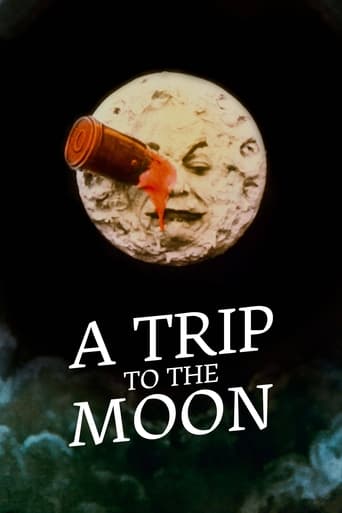
A Trip to the Moon
Encyclopédie audiovisuelle du cinéma
Encyclopédie audiovisuelle du cinéma
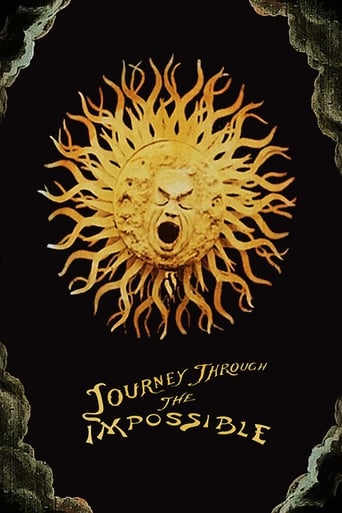
The Impossible Voyage
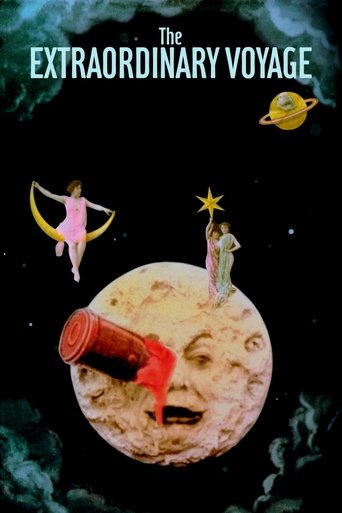
The Extraordinary Voyage
Cinderella
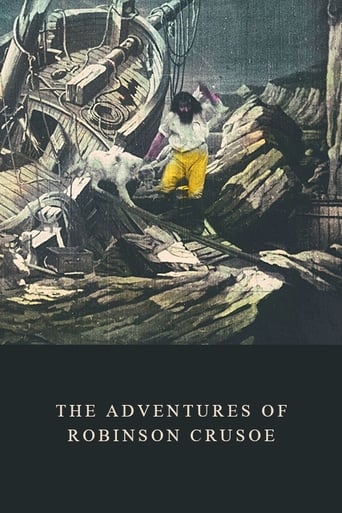
Robinson Crusoe
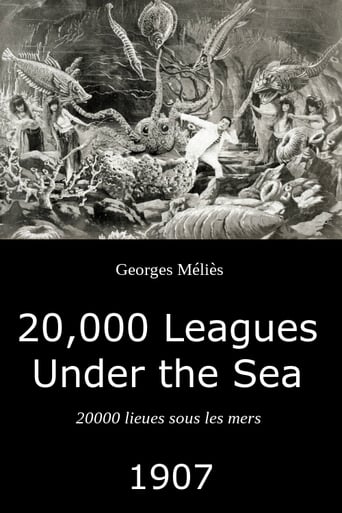
20,000 Leagues Under the Sea
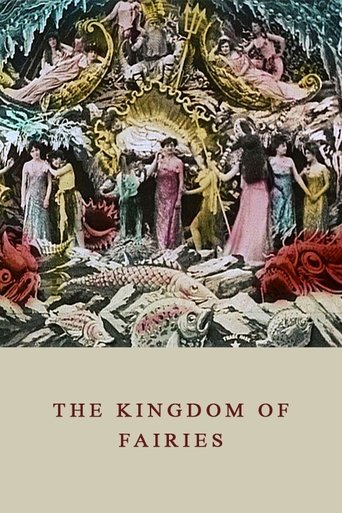
The Kingdom of the Fairies

Le manoir du diable
The Hallucinations of Baron Munchausen
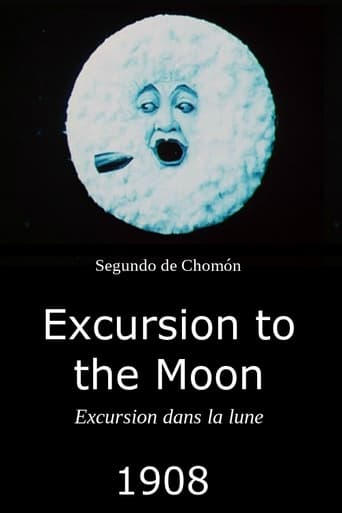
Excursion to the Moon

The Astronomer's Dream

The Four Troublesome Heads
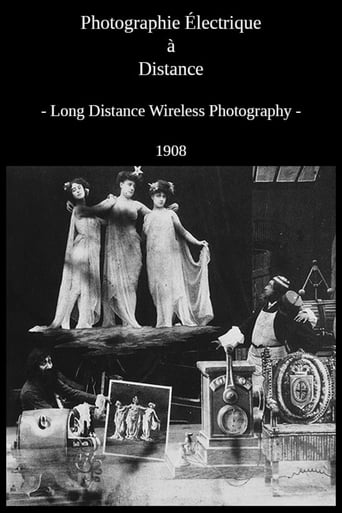
Long Distance Wireless Photography

Faust and Marguerite

The Cinemagician, Georges Méliès
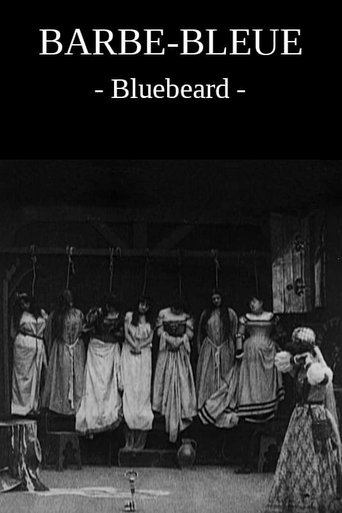
Bluebeard
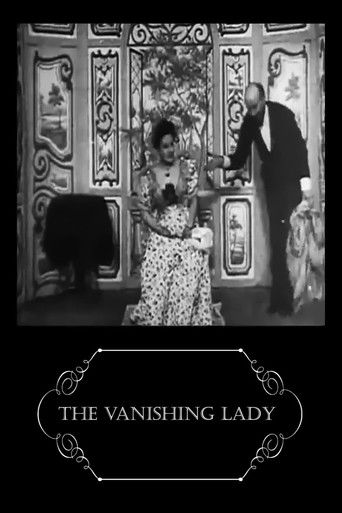
The Vanishing Lady

Cinematógrafo 1900

Playing Cards
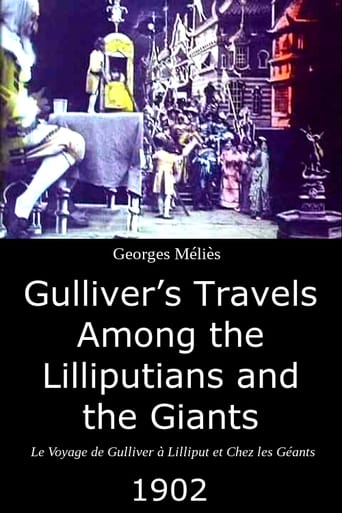
Gulliver's Travels Among the Lilliputians and the Giants
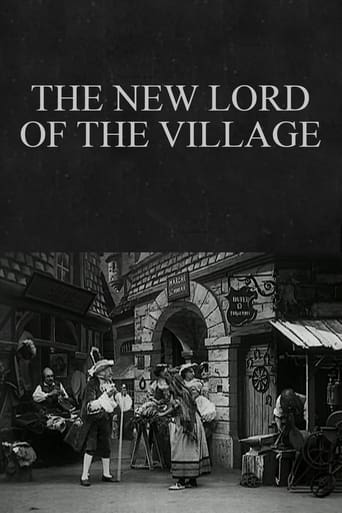
The New Lord of the Village
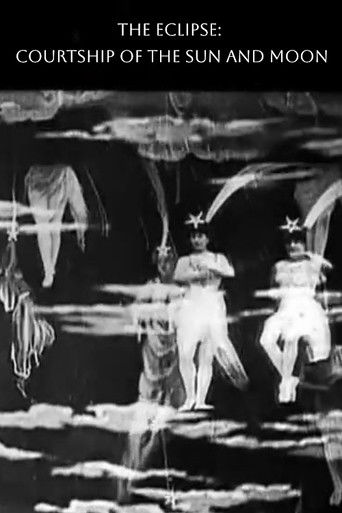
The Eclipse: Courtship of the Sun and Moon
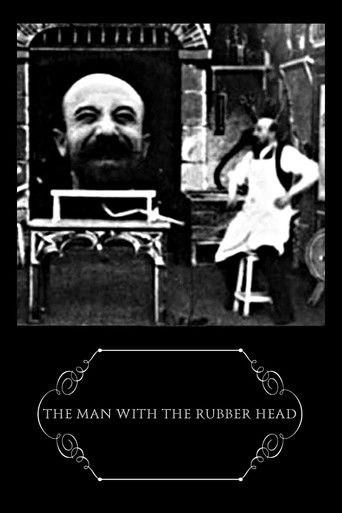
The Man with the Rubber Head

Off to Bedlam

Tunneling the English Channel
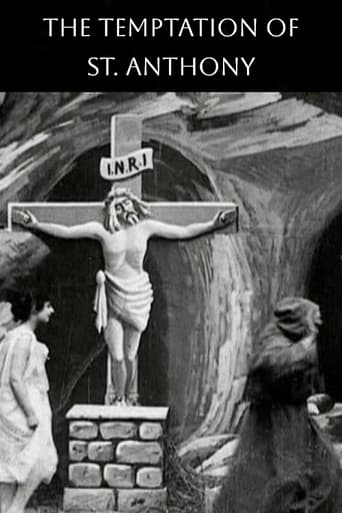
The Temptation of St. Anthony
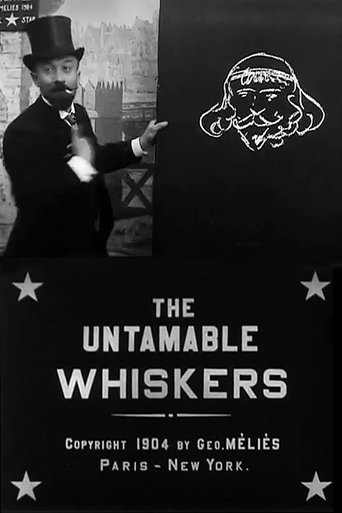
The Untamable Whiskers

The Christmas Angel
An Angelic Servant
An Angelic Servant

Pygmalion and Galatea
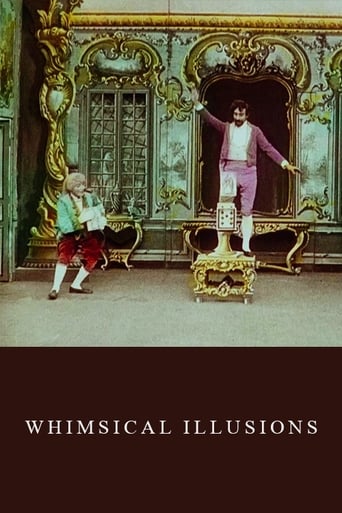
Whimsical Illusions

The Merry Frolics of Satan
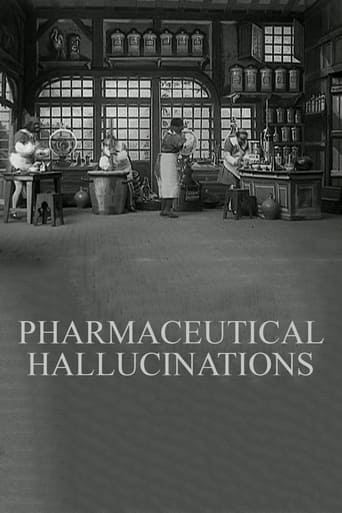
Pharmaceutical Hallucinations
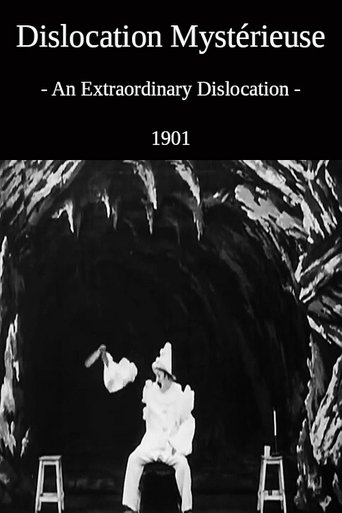
An Extraordinary Dislocation
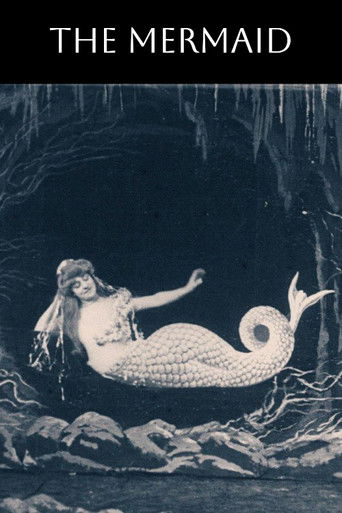
The Mermaid
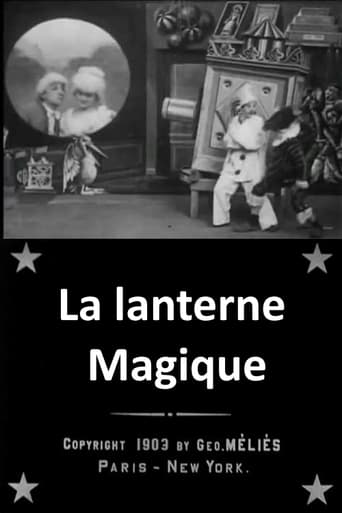
The Magic Lantern

The Scheming Gambler's Paradise

Buncoed Stage Johnnie
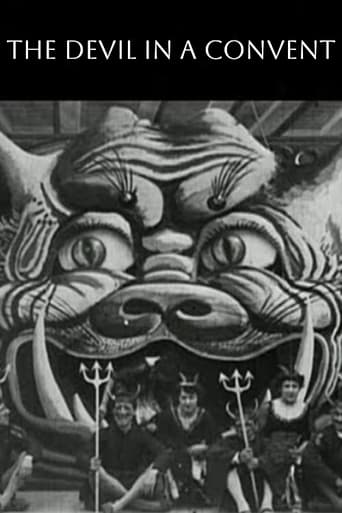
The Devil in a Convent

Naval Combat in Greece
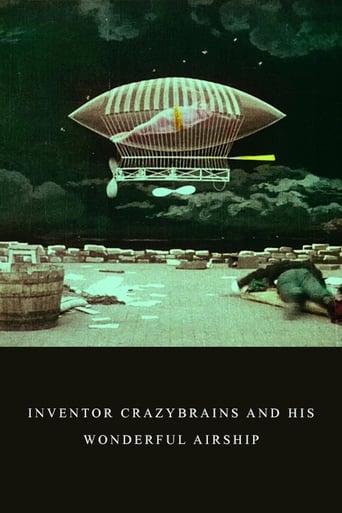
The Inventor Crazybrains and His Wonderful Airship
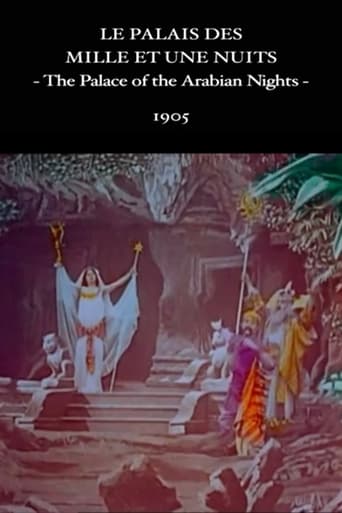
The Palace of the Arabian Nights

The Good Luck of a 'Souse'
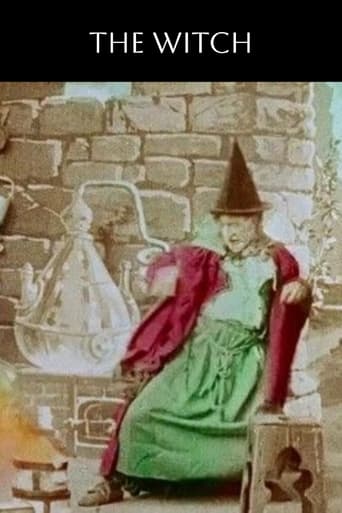
The Witch
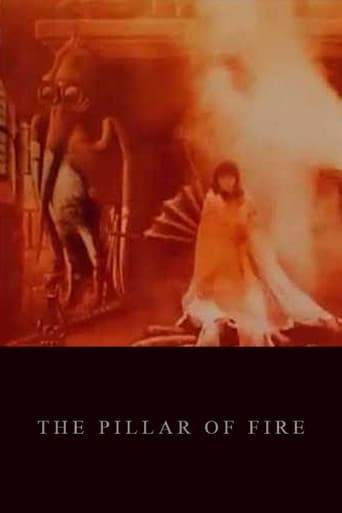
The Pillar of Fire
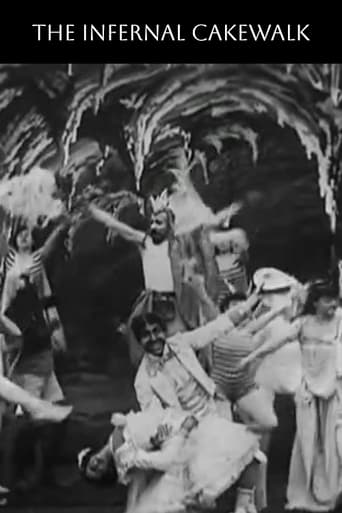
The Infernal Cake-Walk
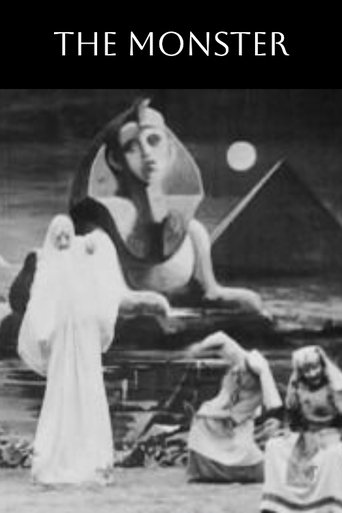
The Monster
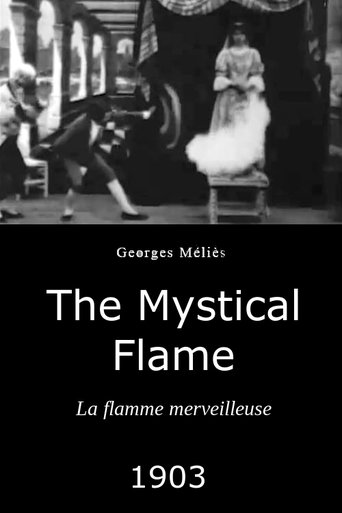
The Mystical Flame
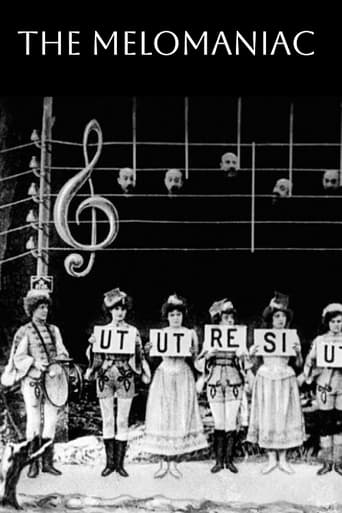
The Melomaniac
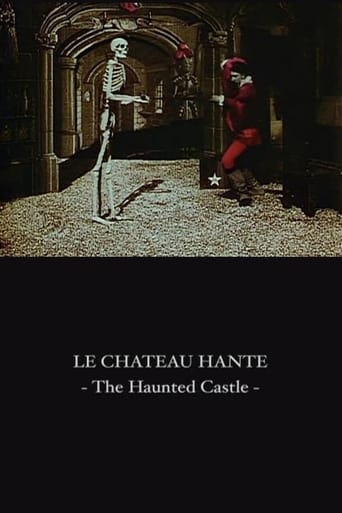
Le château hanté

Post No Bills
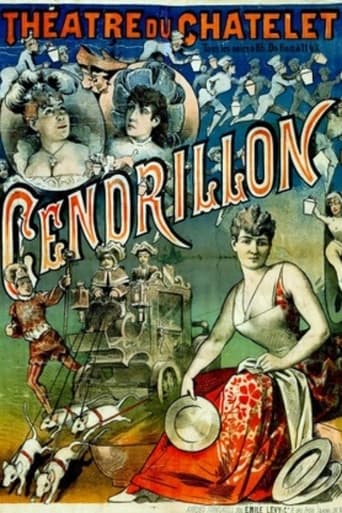
Cinderella or The Glass Slipper

Joan of Arc

The Human Fly
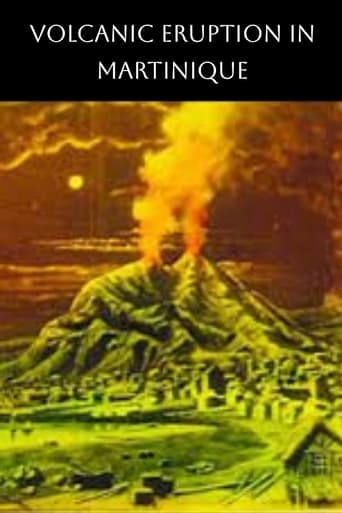
The Terrible Eruption of Mount Pelee and Destruction of St. Pierre, Martinique

The Broken Violin

The Spider and the Butterfly
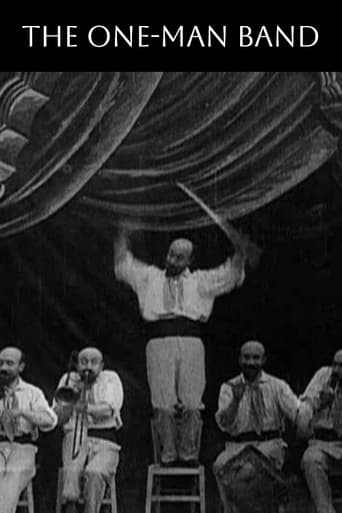
The One-Man Band
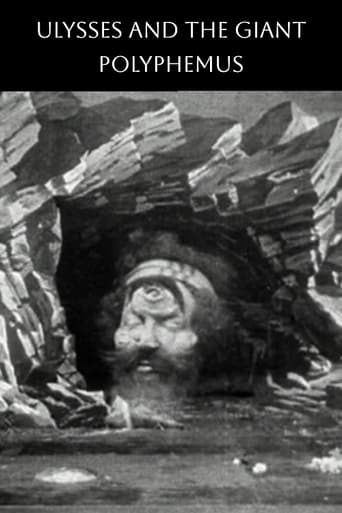
Ulysses and the Giant Polyphemus

The Genii of Fire

The Colonel's Shower Bath
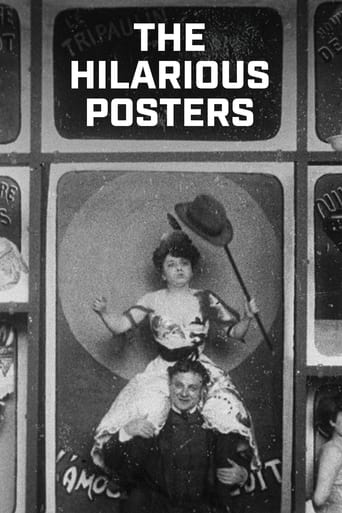
The Hilarious Posters

El hombre que quiso ser Segundo
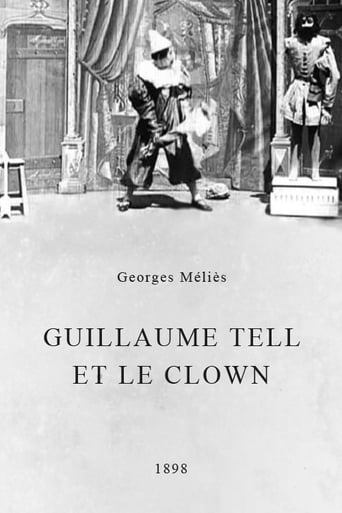
Adventures of William Tell

Sideshow Wrestlers
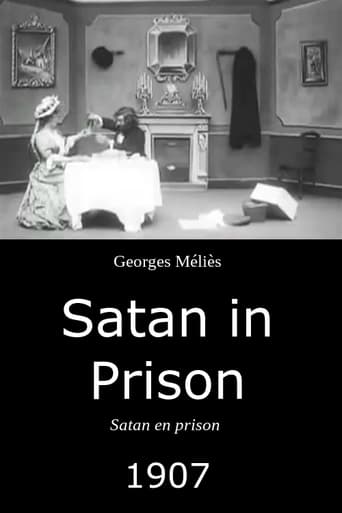
Satan in Prison
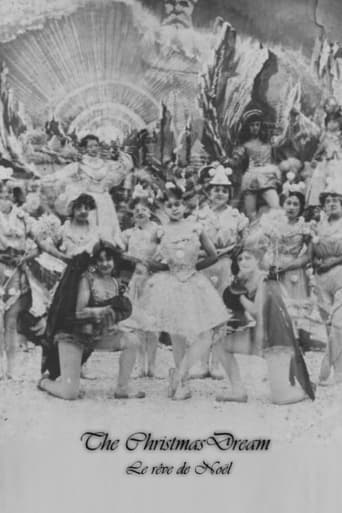
The Christmas Dream
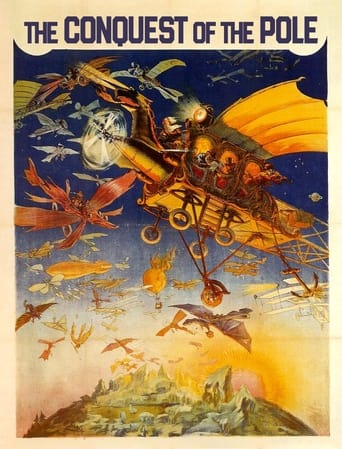
The Conquest of the Pole
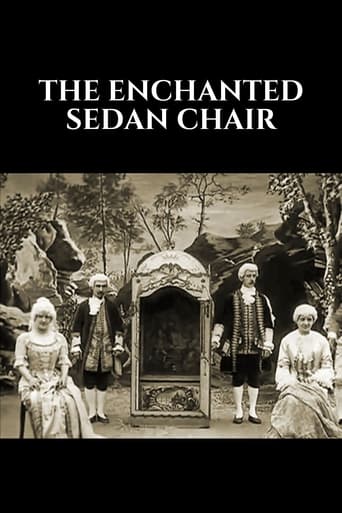
The Enchanted Sedan Chair

The Ballet Master's Dream
Tribulations; or, The Misfortunes of a Cobbler
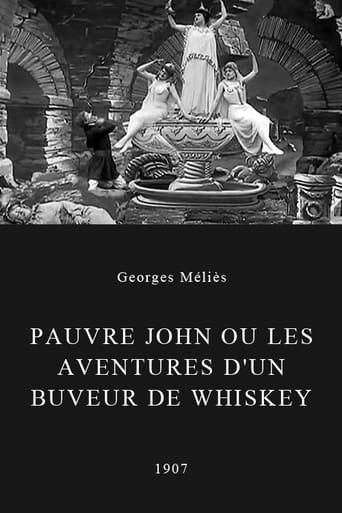
Sightseeing Through Whisky
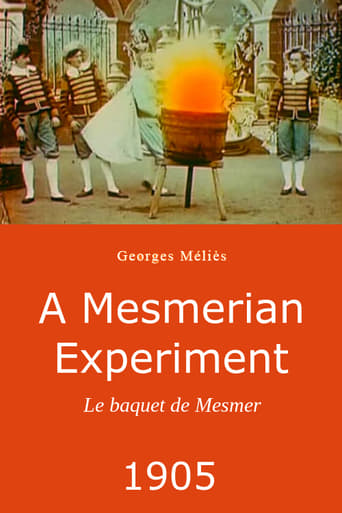
A Mesmerian Experiment

The Last Cartridges

Every Man His Own Cigar Lighter

The Misfortunes of an Explorer
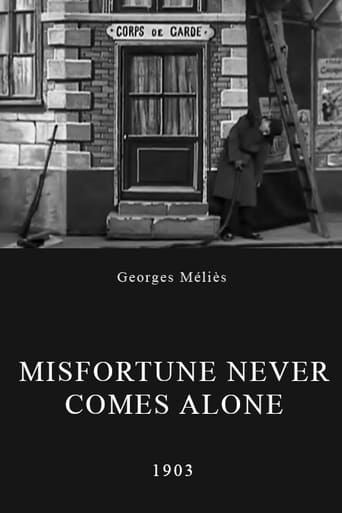
Misfortune Never Comes Alone
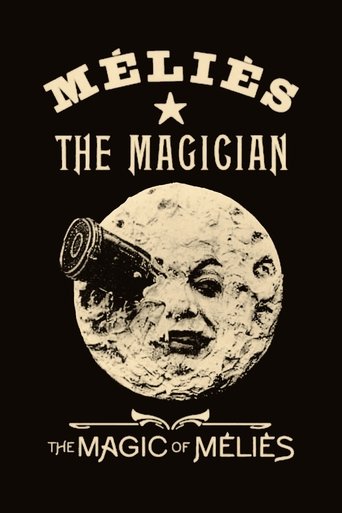
The Magic of Méliès
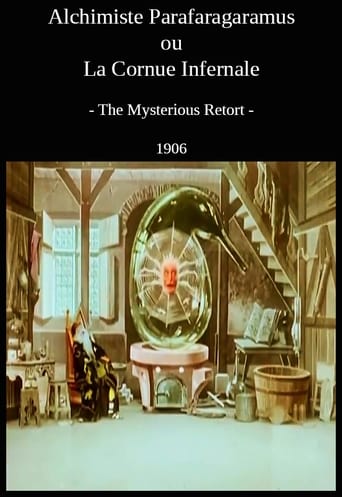
The Mysterious Retort